
What to Know Before Traveling to Morocco: A Practical Pre-Departure Guide
Essential pre-departure insights on travel formalities, currency, intercity transport, cultural etiquette, and daily rhythms across Morocco.
Arriving with Clarity
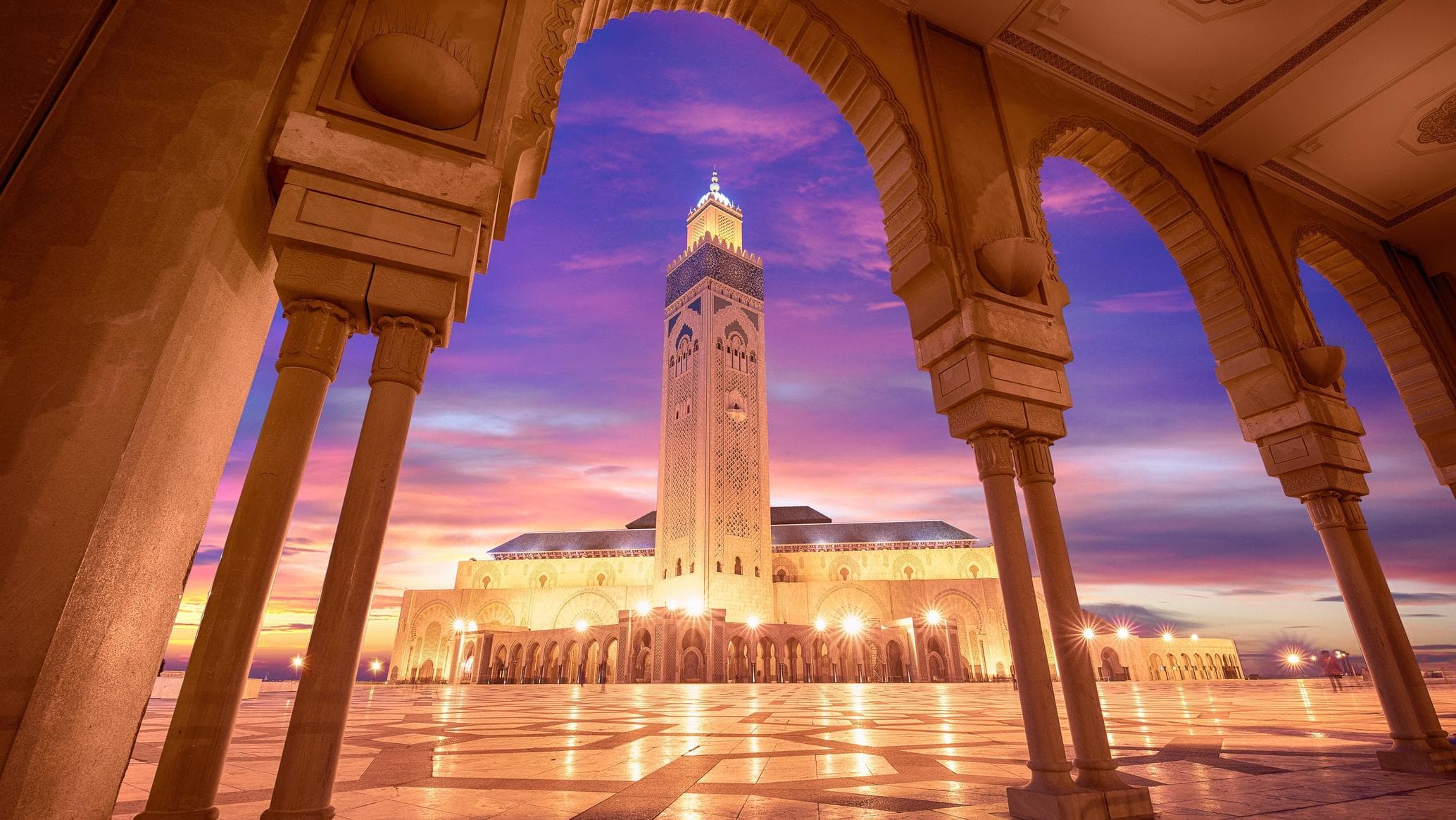
Traveling to Morocco for the first time is an engaging experience, yet it often presents international visitors with an unfamiliar set of everyday logistics. The country’s layered history, varied regional geography, and distinct blend of Arab, Amazigh, African, and Mediterranean influences mean that life here operates on rhythms that may differ from those at home.
Much of what creates friction for first-time visitors does not stem from cultural difficulty, but simply from unfamiliarity with practical realities: entry conditions vary by passport; the national currency is rarely acquired before departure; language choices shift naturally depending on context; and distances across mountain ranges often require more journey time than a map might suggest.
Approaching Morocco with a clear understanding of everyday systems, from intercity rail and car-free medina quarters to daily market etiquette and dining customs, allows travelers to move beyond routine travel uncertainties. When practical preparation is in place, navigating the country becomes an unhurried, enriching journey shaped by architectural heritage, scenic variety, and welcoming interactions.
1. Entry Requirements & Travel Formalities
Before planning internal itineraries or confirming reservations, international travelers should ensure their documentation aligns with current Moroccan border regulations.
Border formalities in Morocco depend on several factors:
- Passport Considerations: Passports should be in sound physical condition with sufficient unused pages for entry and exit stamps. While specific validity requirements can vary depending on country of citizenship, travelers are generally advised to ensure their passport remains valid well beyond their planned stay to prevent boarding issues with international carriers.
- Visa Regulations & Entry Permissions: Entry conditions depend on nationality, passport type, purpose of travel, and length of stay under current Moroccan regulations. Citizens of certain countries enter visa-free for tourism, while others require an approved consular visa or an electronic travel authorization (such as an eVisa through the official Accès Maroc portal). Because visa rules, permitted stay lengths, and eligibility lists can change, travelers should verify current requirements through official Moroccan government or consular channels before departure.
- Customs Guidance & Regulated Equipment: Customs rules apply to certain goods, currency, and regulated equipment, so travelers carrying specialized equipment or restricted items should check current Moroccan customs guidance before departure. Travelers intending to bring or operate a drone should verify current Moroccan import and aviation regulations before departure.
Before You Fly: Pre-Departure Fundamentals
Passport & Entry
Verify Official Requirements: Check current entry, visa, and passport validity requirements for your nationality through official Moroccan government or consular channels before departure.
Money & Cards
Prepare for a Mixed Economy: Understand that Morocco uses the Moroccan dirham (MAD) and prepare for a combination of card payments and cash for daily transactions.
Connectivity Setup
Verify Device Compatibility: Check whether your phone is unlocked and consider how you will access mobile data through a local SIM or an international eSIM.
Documentation & Insurance
Keep Essentials Accessible: Keep essential travel documents accessible and consider appropriate travel insurance coverage for your journey.
2. Money, Currency & Payment Realities
Understanding how payment systems operate in Morocco helps first-time visitors navigate daily purchases with confidence.
The Moroccan Dirham (MAD)
The official currency is the Moroccan dirham (abbreviated as MAD or written locally as dh). Because the dirham is subject to foreign exchange regulations administered by Morocco’s Office des Changes, it is not widely traded through retail commercial banks abroad. Most international travelers obtain dirhams after arriving in the country.
Cash and Card Use
Morocco operates through a combination of card and cash transactions:
- Card Payments: Established hotels, modern riads, upscale restaurants, large supermarkets, primary railway stations, and modern boutiques in major cities commonly accept credit and debit cards, particularly Visa and Mastercard.
- Cash Use: Cash remains particularly useful for many smaller transactions, traditional markets, some local transport, neighborhood cafes, and smaller establishments throughout the country.
- Practical Notes: Carrying a selection of smaller banknotes and coins is helpful for daily incidental purchases, where merchants or drivers may not always have change for larger notes.
ATMs and Currency Exchange
Automated Teller Machines (ATMs, known locally as guichets automatiques) are widely available in airports, commercial districts, modern city centers, and near entrances to historic medinas.
- ATM fees, withdrawal limits, and foreign transaction charges vary depending on the traveler's home bank, card network, and the local ATM operator.
- When paying by card or using an ATM that offers dynamic currency conversion, choosing to be charged in MAD can help avoid the ATM or merchant's own currency-conversion markup, although travelers should check their card issuer's fees and exchange terms.
- Official currency exchange bureaus operate at major international airports, primary railway stations, and licensed city-center offices for travelers wishing to exchange foreign cash.
3. Multilingual Communication & Helpful Phrases
Morocco’s linguistic environment is varied and regional. Rather than a single language used everywhere, travelers will encounter several languages functioning side by side in daily life.
The Linguistic Landscape
- Arabic and Amazigh: Modern Standard Arabic and Amazigh (Tamazight) are Morocco’s two official languages. Amazigh languages have deep ancestral roots across the Atlas Mountains, the Rif, and southern valleys, with their Tifinagh script visible on public signs nationwide.
- Moroccan Arabic (Darija): Darija is widely used in everyday conversation across Morocco, alongside Amazigh languages in many communities. It incorporates Arabic vocabulary and grammar alongside Amazigh, French, and Spanish influences.
- French: French is widely encountered in many business, administrative, and hospitality contexts. Menus, train notices, hotel communications, and road signage often appear in French.
- English: English is increasingly encountered in tourism environments, hospitality settings, and among younger Moroccans in primary travel hubs.
- Spanish: Spanish has a stronger presence in parts of northern Morocco, reflecting historical and geographic ties across areas such as Tangier, Tetouan, and Chefchaouen.
Using a few courteous phrases in Moroccan Arabic is a welcome gesture in daily exchanges.
Everyday Darija Expressions
These simple courtesies are widely appreciated across Morocco and set a respectful tone in markets, taxis, and casual encounters.
4. Mobile Connectivity & Staying Online
Maintaining mobile data access across Morocco is relatively simple, with dependable options available upon arrival.
Cellular Coverage
Mobile telecommunications networks provide practical 4G/LTE coverage across cities, regional towns, and along primary transport corridors. While coverage is generally strong across populated areas, service can become limited or intermittent in remote mountain passes, deep gorges, and isolated desert regions.
Local SIMs and eSIMs
- Local Physical SIMs: Travelers can purchase a prepaid local SIM card upon arrival at major international airports or from authorized telecommunications shops in city centers. Identification or registration requirements for local SIM cards may apply and should be checked with the provider at the time of purchase.
- eSIM Options: Travelers with unlocked, eSIM-compatible devices can choose an international or regional data eSIM profile, providing connectivity upon landing without changing physical SIM cards.
- Wi-Fi in Accommodations: Wi-Fi is commonly available in many hotels, riads, restaurants, and cafes, although speed and signal quality vary. In traditional riads, thick masonry walls can sometimes reduce signal strength in interior or lower-floor rooms, making a mobile data connection a helpful backup.
5. Moving Between Cities: Rail, Road & Route Options
Choosing how to travel between Moroccan destinations depends on the regions included in your route. Transit infrastructure includes modern rail corridors, scheduled coach lines, and mountain highways.
Rail Travel: Al Boraq & Conventional ONCF Trains
Morocco’s railway system is operated by ONCF (Office National des Chemins de Fer).
- Al Boraq High-Speed Line: Al Boraq connects Tangier, Kenitra, Rabat, and Casablanca along dedicated high-speed tracks, providing an efficient transit option along the northwest Atlantic corridor.
- ONCF Intercity Rail (Al Atlas Trains): Conventional trains connect Casablanca, Rabat, Meknes, Fes, and Marrakech, offering first- and second-class travel between major inland and coastal centers.
- Schedules & Booking: Travelers should consult current ONCF information for schedules, fares, booking procedures, and service details, particularly around national holidays and peak travel periods.
Road Travel, Coaches & Private Transfers
While rail connects major northern and Atlantic cities, it does not reach the Rif Mountains, the southern coast, or pre-Saharan regions. Destinations such as Chefchaouen, Essaouira, the High Atlas valleys, and Merzouga require road transport.
- Intercity Coaches: Companies such as CTM and Supratours run regular, air-conditioned bus services between cities and regional destinations outside the rail network.
- Private Road Transfers: Private road travel can be useful when an itinerary requires flexible stops, remote routes, mountain or desert access, or coordinated luggage movement. Curated regional routes can be viewed in our collection of , including the comprehensive .
Morocco Transit at a Glance
Rail Network
Al Boraq & ONCF
Best Conceptual Use:Direct transit between major connected city corridors such as Tangier, Rabat, Casablanca, Meknes, Fes, and Marrakech.
Road & Transfers
Coaches & Private Travel
Best Conceptual Use:Mountain crossings, desert access routes, multi-stop itineraries, and destinations outside the rail network.
Local Taxis
Petit & Grand Taxis
Best Conceptual Use:Short point-to-point urban movement and specific local connections.
6. Urban Transport: Navigating Taxis & Car-Free Medinas
Within cities, getting around involves understanding how local taxis work and recognizing the pedestrian layout of historic quarters.
Understanding Urban Taxis
Taxis operate in distinct categories depending on local regulations:
- Petit Taxis: Petit taxis generally handle local journeys within a city, while grand taxis serve different shared or private routes depending on the location. Fare and meter practices can vary, so it is sensible to clarify the arrangement before departure where appropriate.
- Grand Taxis: These vehicles typically handle journeys connecting cities, outer suburban links, or regional destinations, operating on shared or private terms depending on the route.
Historic Medinas and Vehicle Access
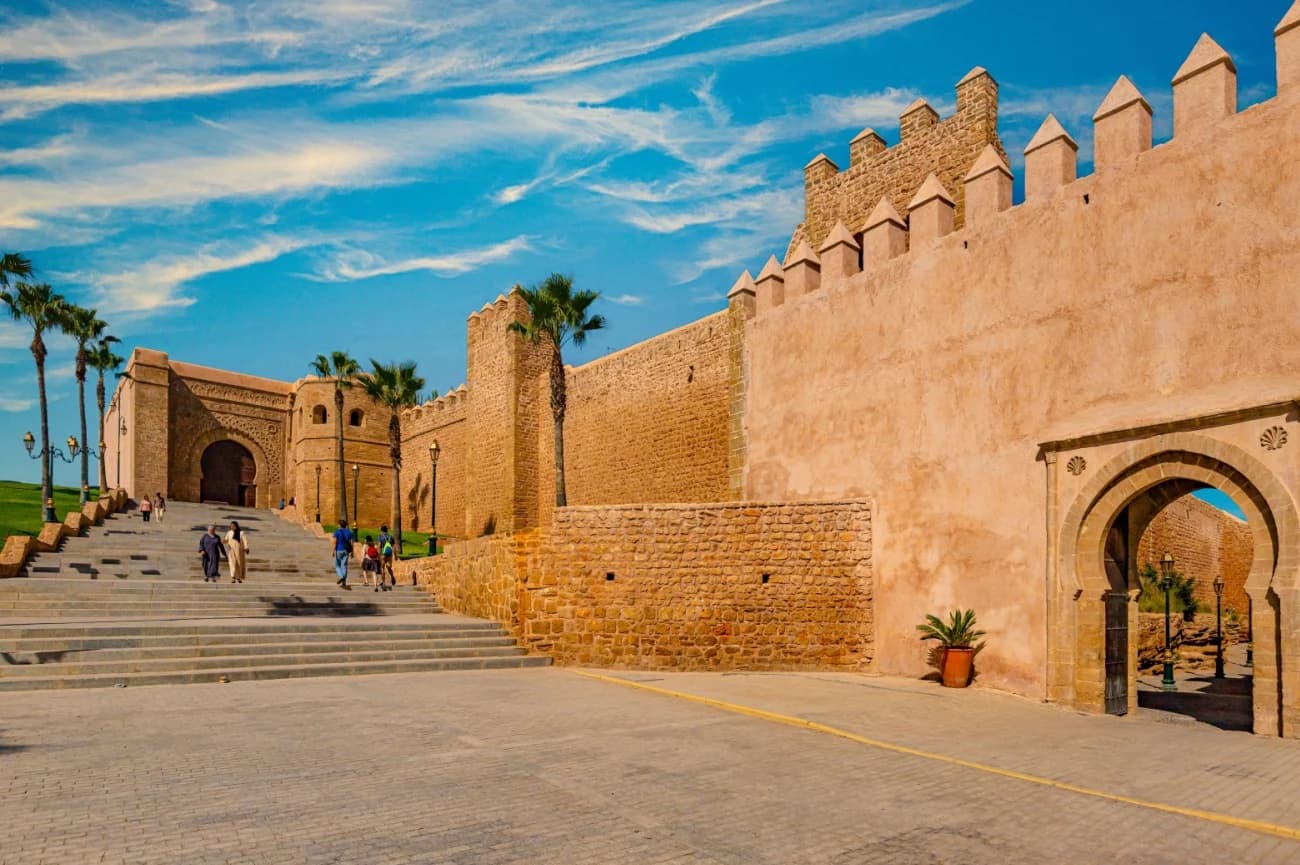
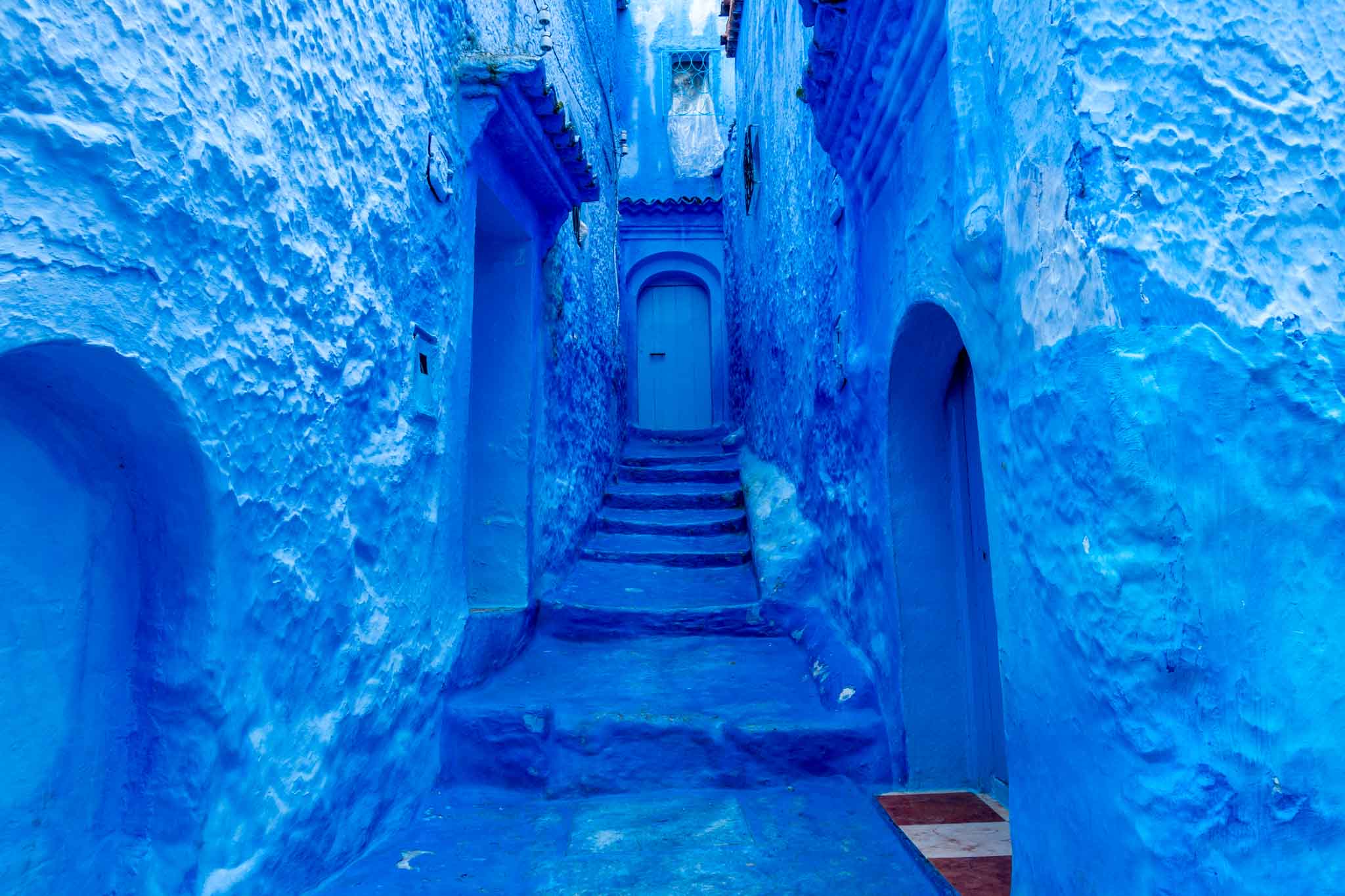
Many of the narrowest historic medina lanes have limited or no vehicle access, particularly in cities like Fes and Chefchaouen.
- Taxis and private cars drop passengers at accessible outer gates (babs), ring roads, or perimeter parking areas.
- Some accommodations can help coordinate luggage from the nearest vehicle-accessible point. For deeper guidance on navigating historic medina lanes and arrivals, read our .
7. Geography, Distances & Realistic Pacing
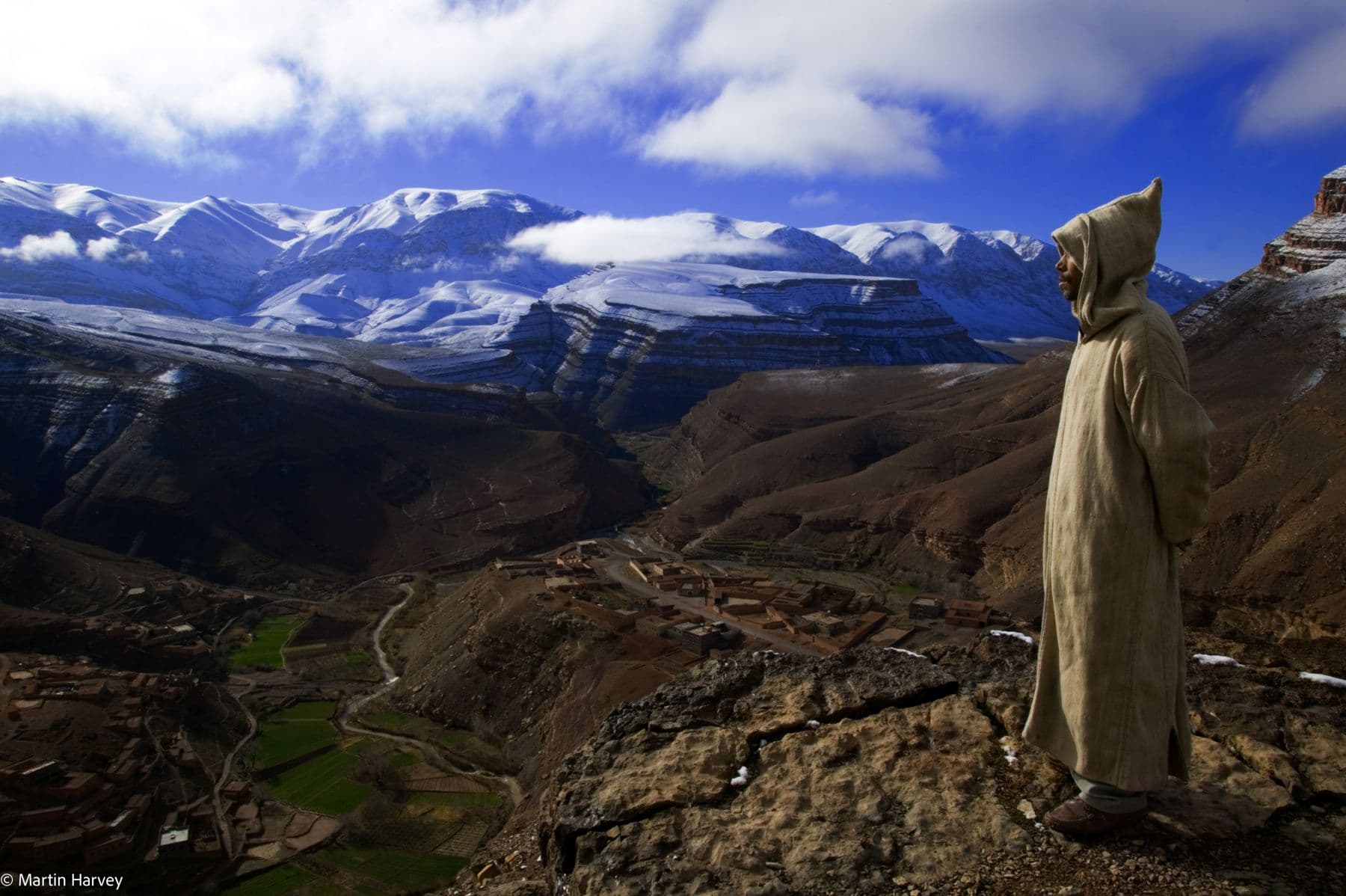
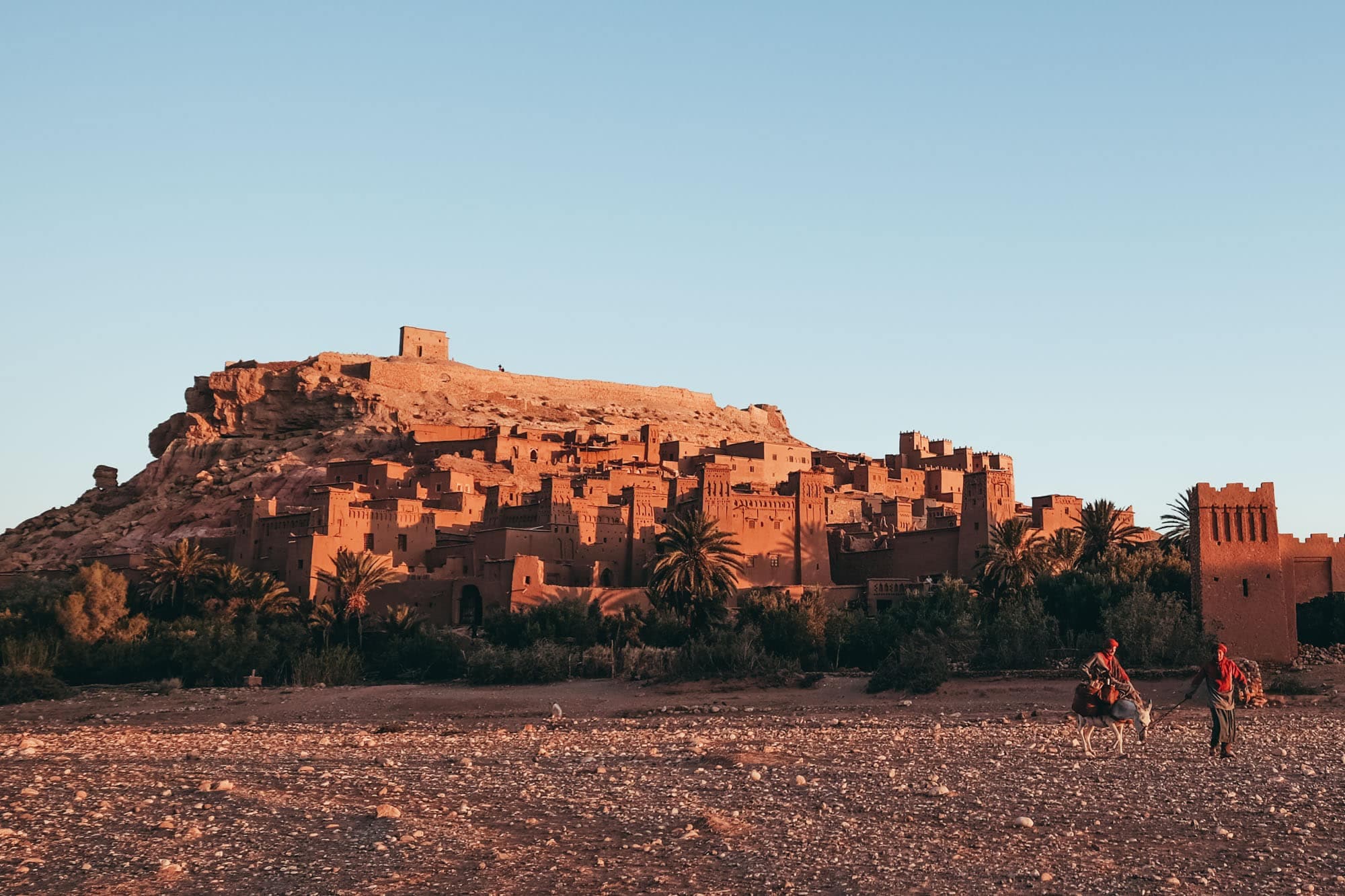
Morocco’s geographic diversity is one of its most striking features, combining Atlantic and Mediterranean coastlines with the Rif, Middle Atlas, High Atlas, and Anti-Atlas mountain systems, extending toward pre-Saharan stone plateaus and sand dunes.
Terrain and Transit Time
A key consideration for travelers is that map distance does not always equal travel time:
- Mountain routes can take considerably longer than their distance on a map suggests because of elevation, winding roads, weather, road conditions, and planned stops. High-altitude crossings, such as mountain roads across the High Atlas, require realistic driving schedules.
- Crossing between regions often involves noticeable shifts in temperature and landscape, moving from coastal plains into alpine terrain or desert fringes within a single day's journey. Detailed regional climate patterns are explored in our .
Planning Itinerary Pacing
Travelers attempting to combine several distant regions in a short itinerary can underestimate the amount of time spent in transit. A more focused itinerary can leave greater room for walking, meals, cultural visits, and spontaneous stops rather than making transit the dominant part of the journey. An example of balanced multi-region planning can be seen in our .
8. Cultural Courtesy, Attire & Social Norms
Hospitality plays an important role in many Moroccan social settings. Demonstrating awareness of local customs and maintaining polite communication fosters comfortable, respectful interactions.
Attire in Cultural Context
There is no universal statutory tourist dress code in Morocco, and clothing norms vary by location:
- Contemporary and Resort Settings: In modern urban districts and private resort settings, casual contemporary Western clothing is common.
- Traditional, Rural and Religious Environments: In traditional medina quarters, rural villages, and when approaching religious landmarks, choosing modest, breathable clothing that covers shoulders and knees is widely appreciated as a practical and respectful choice. Lightweight fabrics such as linen and cotton provide comfort in warm weather while respecting local sensibilities.
- Footwear: Given uneven cobblestones, stone stairs, and smooth pavers in historic quarters, supportive footwear with reliable grip is practical for daily walking.
Hospitality and Courteous Interaction
- Mint Tea: Mint tea is commonly associated with hospitality and may be offered in homes, accommodations, shops, or social settings. Accepting tea is a pleasant way to share a social moment, though declining politely with "La, shukran" when time is limited is entirely acceptable.
- Greetings and Customs: A polite greeting (Salam alaykum or Bonjour) sets a friendly tone for everyday exchanges. In some traditional settings, using the right hand when greeting, passing food, or exchanging items is customary.
Photography Considerations
- Photographing People: Ask permission before photographing identifiable people where practical and appropriate. If an individual indicates they prefer not to be photographed, respect their wishes without hesitation.
- Performers in Public Squares: Some performers in tourist areas may expect a contribution when posing specifically for photographs; clarify expectations when appropriate.
- Sensitive Sites: Avoid photographing military personnel, police checkpoints, or official government security buildings.
Market Interactions
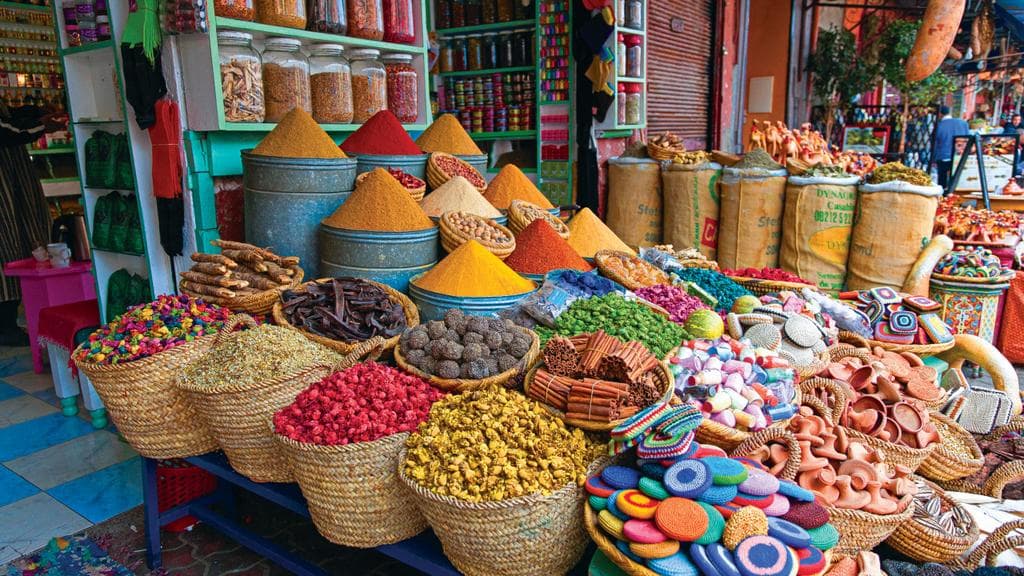
In traditional souks and markets, bargaining is common for certain goods, though it is not a universal rule everywhere:
- Approach price discussions with patience and good humor, focusing on what an item is worth to you rather than following rigid formulas.
- If a price does not suit you, departing with a polite "La, shukran" (No, thank you) concludes the exchange courteously.
9. Religious Heritage, Mosques & Ramadan Considerations
Islam is central to Moroccan culture and community life, with the call to prayer sounding from neighborhood minarets throughout the day.
Visiting Mosques and Historic Sites
Guidelines regarding visitor access vary between active worship spaces and historic monuments:
- Active Mosques: Active mosques across Morocco are generally reserved for Muslim worship and are not open to non-Muslim visitors for touring. Travelers are welcome to appreciate their exterior architecture, carved doorways, and minarets from outside.
- Hassan II Mosque in Casablanca: An important exception is the , where guided architectural visits are organized for visitors outside scheduled prayer times. Travelers should check current tour schedules and visitor guidelines before planning a visit.
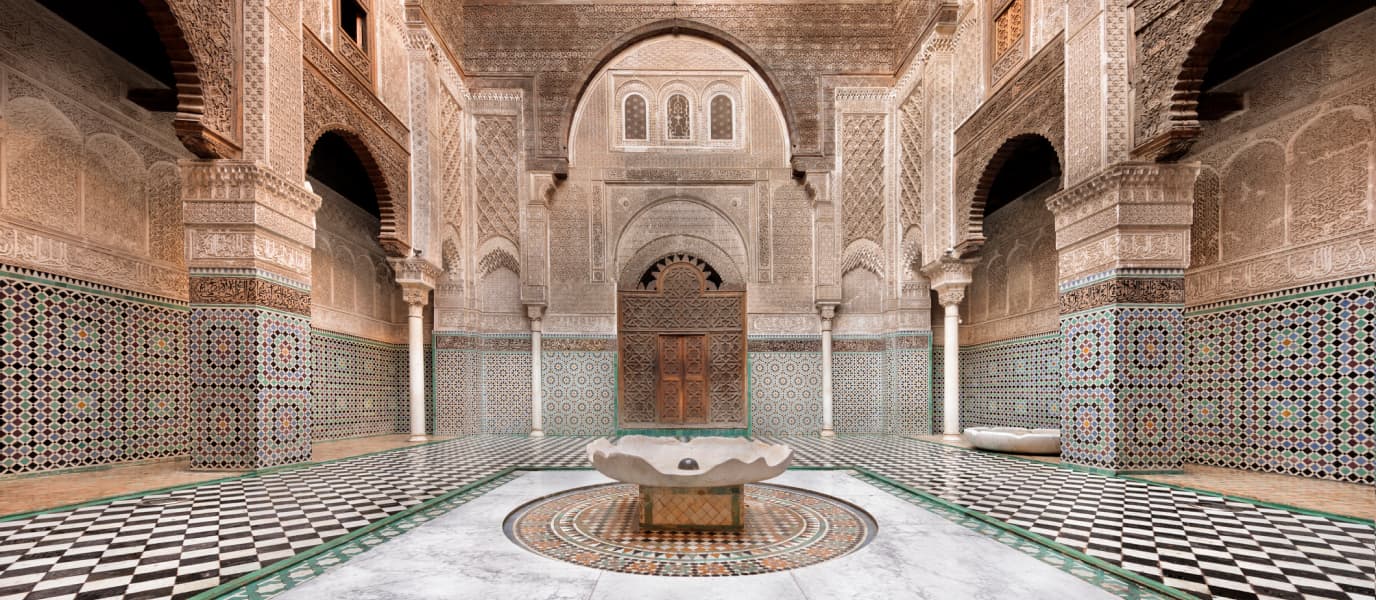
- Historic Madrasas: Preserved Islamic colleges and heritage monuments, such as historic madrasas in the , operate as cultural landmarks and welcome all visitors.
Traveling During Ramadan
Traveling during the holy month of Ramadan offers an opportunity to observe an important period on the Islamic calendar:
- Shifting Calendar: Because the Islamic calendar follows lunar cycles, Ramadan moves approximately ten to eleven days earlier each Gregorian year. Travelers should check when Ramadan falls during their intended travel period.
- Daily Patterns: Daily rhythms can shift during Ramadan. Some businesses may modify opening hours, opening later in the morning or adjusting afternoon schedules. At sunset (ftour), streets often quiet down briefly as families break their fast, followed by active evening social life.
- Traveler Practicalities: Non-Muslim travelers are not expected to fast. Tourist-facing services, hotel dining, and primary cultural sights generally remain open, although availability varies by city and establishment, and travelers should check current opening times. Refraining from eating, drinking, or smoking conspicuously on public streets during daylight fasting hours is appreciated as a gesture of cultural courtesy.
10. Dining Habits, Tap Water & Sensible Health Habits
Moroccan dining reflects a heritage of varied regional agriculture, slow simmering, and balanced seasoning. Practical everyday awareness helps ensure an enjoyable culinary experience.
Dining Rhythms and Cuisine
- Meal Schedules: Meal times can run later than some visitors are accustomed to, particularly for dinner, and vary by city, household, and venue.
- Couscous Traditions: Couscous has a strong association with Friday family meals in many Moroccan households, although recipes and regional traditions vary.
- Dietary Considerations: Vegetarian travelers can often find vegetable tagines, cooked salads, legumes, and other meat-free dishes, although preparation methods and dietary requirements should still be confirmed. Travelers with severe gluten sensitivities should communicate clearly, as wheat bread is common with meals. Regional food traditions can be explored through our .
Water, Food Hygiene and Personal Health
- Drinking Water: Tap-water conditions and traveler preferences vary. Visitors who prefer not to drink tap water can choose sealed bottled water or an appropriate filtration solution, while checking current local guidance where relevant.
- Food Hygiene: As when traveling anywhere, choosing dining spots with regular turnover, eating freshly cooked food served hot, and practicing routine hand hygiene are sensible habits.
- Health Preparation: Travelers who use prescription medication should bring an adequate supply in original labeled packaging and seek professional advice for any destination-specific health questions.
- Tipping: Tipping practices vary according to setting, service, and traveler preference, serving as a discretionary gesture rather than a mandatory tariff.
Frequently Asked Questions
Do I need a visa to travel to Morocco for tourism?
Visa requirements depend on your nationality, passport type, purpose of travel, and length of stay under current Moroccan regulations. While citizens of certain countries enter visa-free for tourism, others must apply for a consular visa or an electronic travel authorization (eVisa). You should verify current entry requirements through official Moroccan government or consular channels before booking.
Can I rely primarily on credit cards in Morocco, or do I need cash?
Credit cards are commonly accepted at established hotels, modern restaurants, supermarkets, and primary train stations in larger cities. However, cash in Moroccan dirhams remains useful for traditional markets, neighborhood shops, local taxis, and smaller purchases. Carrying a mix of payment methods is generally the most practical approach.
What is the appropriate dress code for travelers in Morocco?
There is no statutory dress code for visitors. In contemporary urban quarters and private resorts, casual Western clothing is common. In historic medinas, rural villages, and religious environments, choosing modest clothing that covers shoulders and knees is widely appreciated as a comfortable and respectful choice.
Is tap water safe to drink in Morocco?
Tap-water standards and individual traveler preferences vary across different regions. Visitors who are uncertain or prefer not to drink local tap water typically choose sealed bottled water or use a reliable personal filtration system.
How easy is it to travel between Moroccan cities by train?
The ONCF railway network provides a practical way to travel between major connected cities such as Tangier, Rabat, Casablanca, Meknes, Fes, and Marrakech, including high-speed Al Boraq services on the northwest corridor. Destinations outside the rail network, such as Chefchaouen or desert areas, are reached by bus or road transfer. Travelers should check current ONCF schedules for specific routes.
Continue Exploring Morocco
Practical preparation helps ensure that your time in Morocco is comfortable, well paced, and memorable. From here, you can explore Perfect Trip's destination guides, tour itineraries, experiences, and seasonal planning resources in greater detail:
- Regional Guides: Learn about cultural highlights, architecture, and regional background in our .
- Multi-City Itineraries: Review curated cross-country routes designed for balanced travel across regions in our .
- Cultural Activities: Discover traditional culinary sessions, artisan visits, and desert journeys in our .
- Seasonal Planning: Understand regional weather patterns, packing layers, and calendar considerations in our .