
First Time in Marrakech: A Practical Guide to the Red City
Practical, locally grounded guidance for understanding Marrakech, navigating the Medina, and experiencing the city confidently on a first visit.
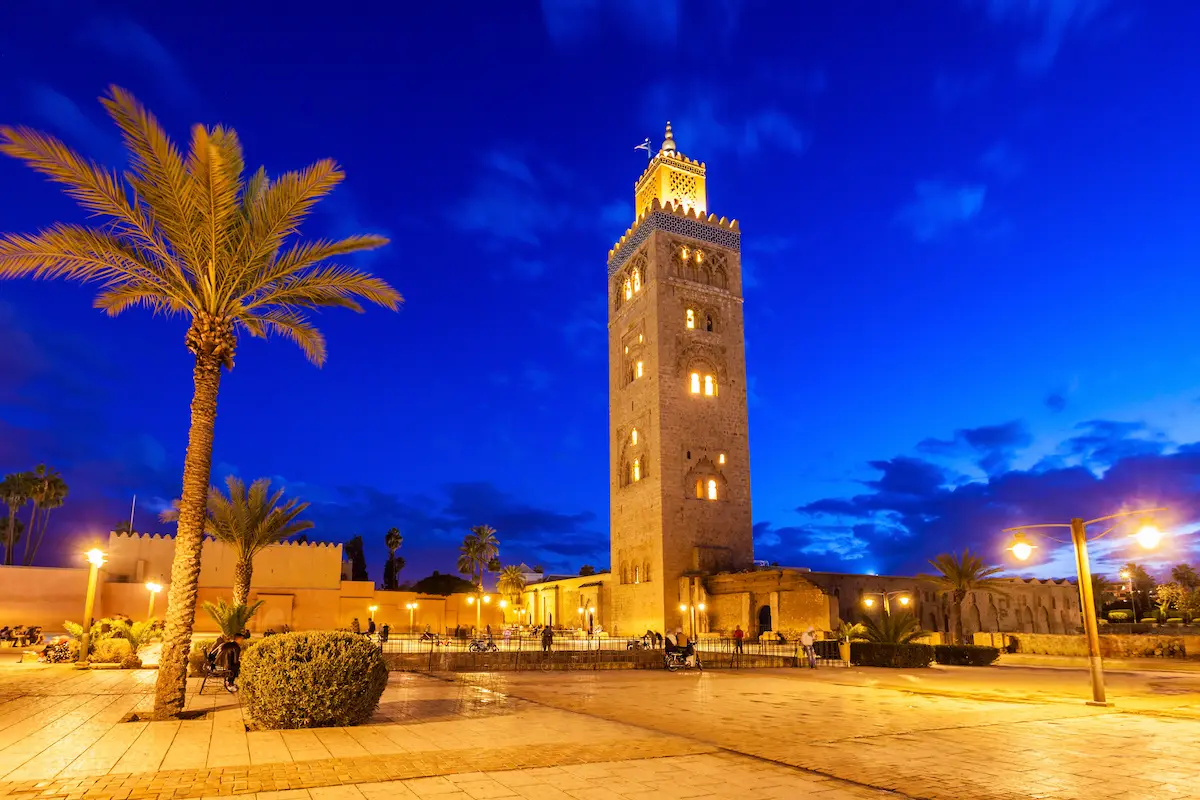
Few destinations announce themselves with the sensory immediacy of Marrakech. Within an hour of arriving, travelers find themselves immersed in a world of warm terra-cotta ramparts, the rhythmic cadence of artisan hammers, the aroma of ground cumin and roasting coffee, and the echoing call to prayer rising above the rooftops.
For first-time visitors, Morocco’s historic southern capital can feel exhilarating, beautiful, and occasionally intense. It is an ancient crossroads where traditional urban life meets contemporary cosmopolitan living. The secret to enjoying Marrakech is not attempting to see every corner or control every detail; it is understanding the city’s natural rhythm, knowing what to expect before stepping through the gates, and approaching each day with curiosity and patience.
This practical guide brings together the foundational insights every traveler needs to arrive prepared, navigate with confidence, and experience the Red City on their own terms.
Understanding Marrakech: The Medina, Gueliz & Hivernage
Marrakech is best understood as a city of distinct neighborhoods, each offering a fundamentally different pace of life and urban landscape. For a first-time visitor, three primary areas define the experience.
The Historic Medina
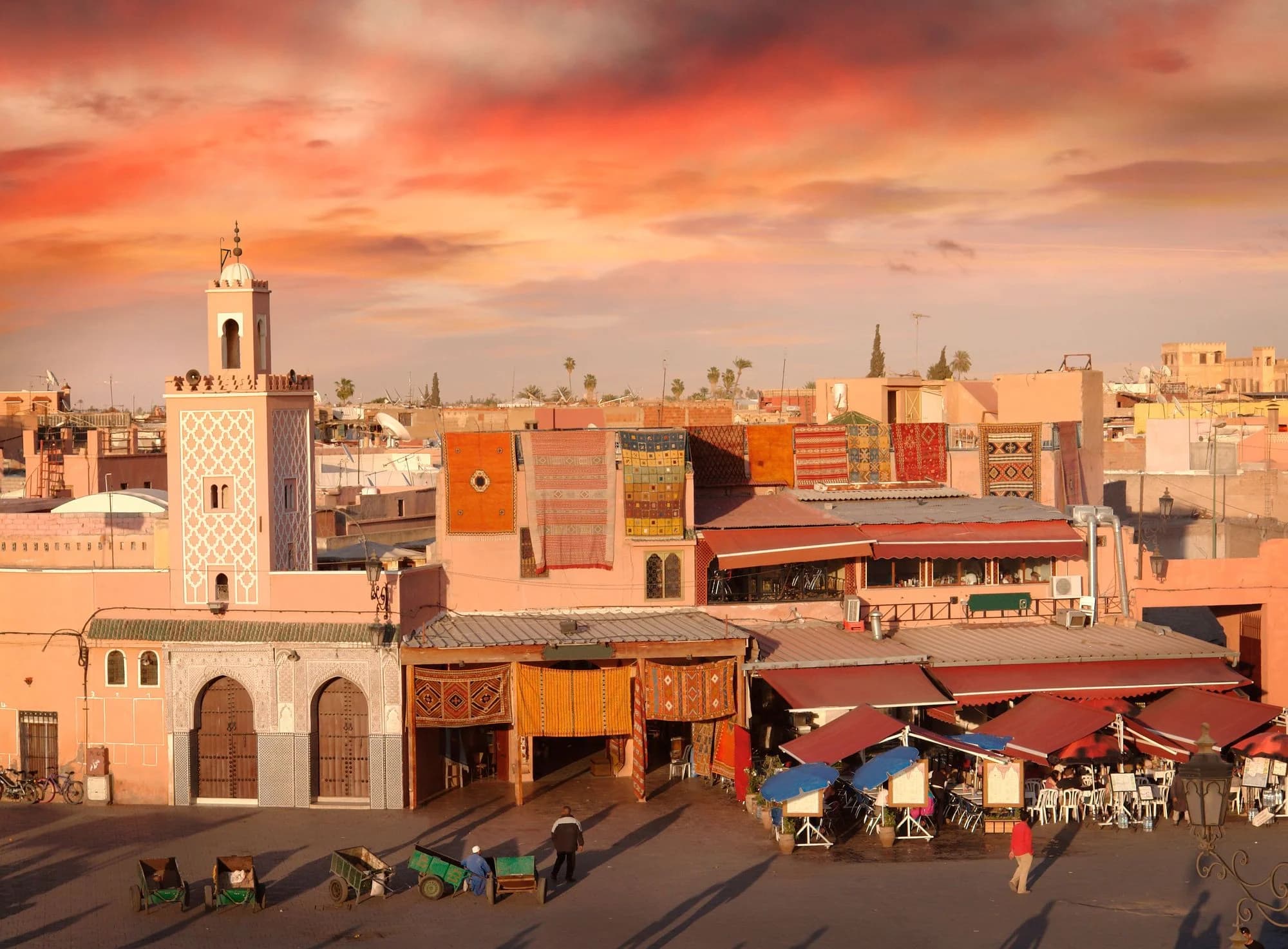
The historic heart of Marrakech is its walled Medina, a dense, centuries-old urban center enclosed within approximately nineteen kilometers of earthen fortifications. Inside the walls, life remains largely pedestrian. A network of narrow alleyways (derbs) connects residential quarters, historic mosques, bustling artisan souks, communal bakeries, and traditional bathhouses. The Medina is home to Marrakech’s most iconic heritage landmarks and traditional accommodations. It offers total cultural immersion, vibrant street energy, and an extraordinary sense of living history.
Gueliz
Directly west of the Medina walls lies Gueliz, planned in the early twentieth century. Gueliz offers a complete contrast in atmosphere and urban rhythm. Wide, tree-lined boulevards and open sidewalks replace winding lanes, lined with pavement cafés, independent art galleries, contemporary Moroccan restaurants, and boutique shopping. It is an active commercial district where residents work, dine, and socialize. Gueliz offers a relaxed counterpart to the intensity of the Medina and is an ideal area for quiet afternoon strolls, bookshops, and evening dining.
Hivernage
Situated just southwest of Gueliz and bordering the western Medina walls, Hivernage is an upscale, verdant residential and hospitality enclave. Defined by broad avenues and landscaped gardens, Hivernage is home to many of the city’s hotels, contemporary lounges, and spacious resort properties. For travelers who prioritize swimming pools, quiet nights, and direct vehicle access, Hivernage provides a peaceful retreat within easy reach of the historic center.
Rather than viewing the Medina and the new town as opposites, travelers often find that the combination of both creates the most balanced stay, spending morning hours exploring the historic quarters and afternoons enjoying the open terraces of Gueliz or the tranquility of Hivernage.
Where to Stay: Riad or Modern Hotel?
One of the most consequential decisions for a first-time trip to Marrakech is selecting between a traditional medina riad and a modern hotel. Neither option is universally superior; each serves different travel priorities and comfort preferences.
The Character of an Authentic Riad
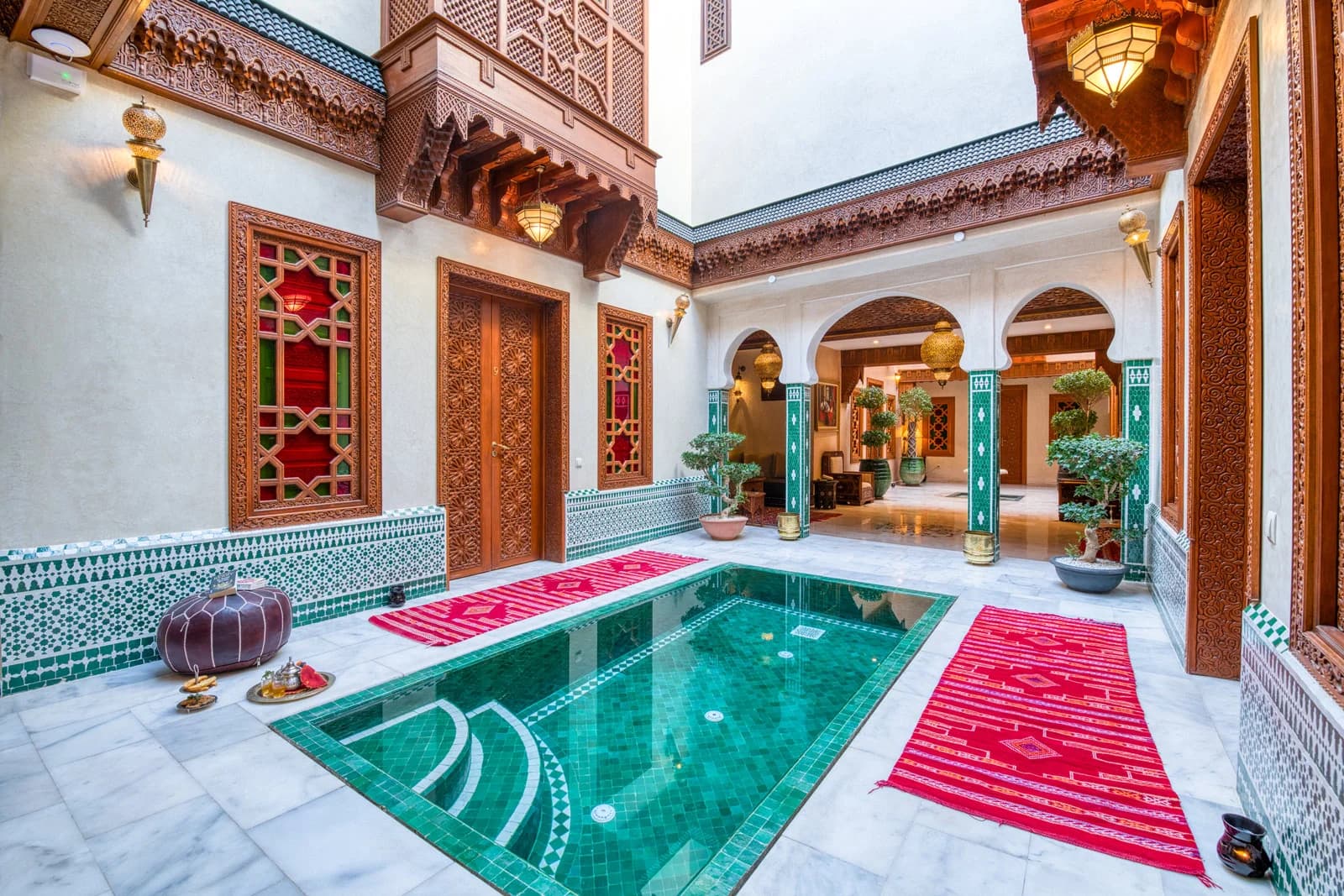
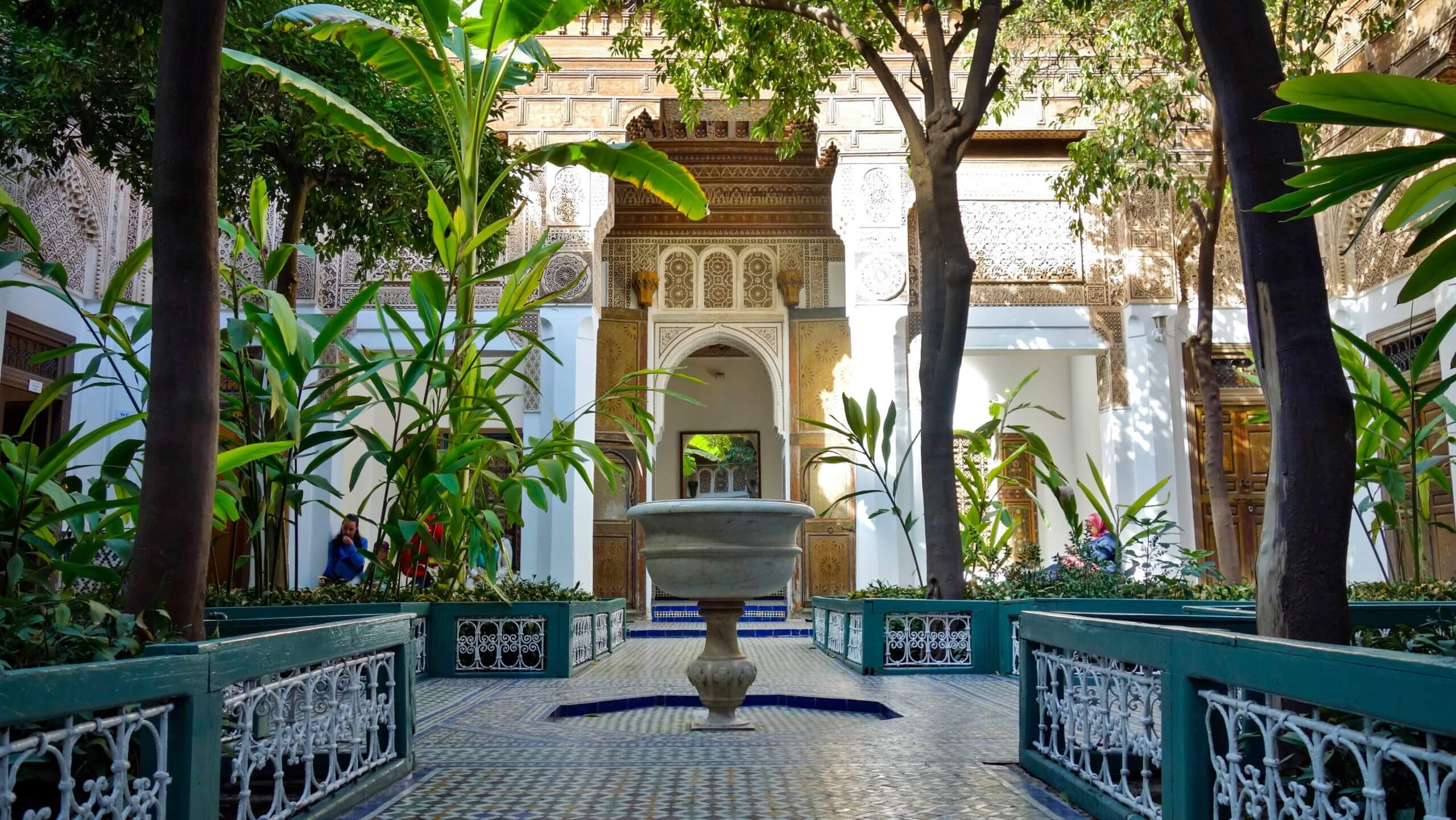
A riad is a traditional Moroccan home oriented strictly inward around a central open-air courtyard or garden. Historically designed to preserve family privacy and provide natural cooling, traditional riads often feature solid exterior walls, with many rooms opening primarily toward the peaceful central patio.
Staying in a riad is among the most distinctive cultural experiences Morocco offers. Depending on the property, hospitality is often intimate and personalized. Many riads offer fresh breakfast served on a rooftop terrace overlooking the medina minarets, and evenings provide a quiet sanctuary removed from the activity of the streets outside.
However, riads present practical considerations that first-time travelers should evaluate:
Vehicle Access and Luggage: Because the central Medina is largely pedestrian, cars and taxis cannot reach the front doors of many riads. Guests are dropped off at the nearest accessible city gate or square and walk the remaining distance along narrow alleys. Many riads coordinate luggage transport via local handcarts, but this requires advance planning.
Staircases and Accessibility: Traditional riads are often vertical structures, typically two to three stories high, centered around the courtyard. Rooms are frequently reached via tiled or stone staircases, and elevators are generally uncommon in historic buildings. Travelers with mobility considerations should discuss room accessibility directly with the property before booking.
Acoustic Design: The open central courtyard that gives a riad its distinctive character can also reflect sound. Voices in the courtyard or activity on the terrace can carry into nearby guest rooms.
The Conveniences of a Modern Hotel
Hotels located in Gueliz, Hivernage, or the Palmeraie operate under familiar international hospitality models. They generally offer direct vehicle drop-offs at the entrance, elevators, expansive grounds, and outdoor swimming pools. They are well-suited for travelers with limited mobility, families needing connected rooms, or visitors who prefer to return to a spacious, self-contained environment after a day of sightseeing.
Practical Advice for First-Timers
If you choose a riad, confirm the following with the property prior to arrival:
- The exact location of the nearest vehicle drop-off point where a taxi or transfer driver can leave you.
- How luggage assistance from that point will be arranged.
- Stair and room accessibility if vertical walking is a concern.
- Arrival and check-in instructions if you anticipate reaching the Medina late in the evening.
Moving Through the Medina
The Medina of Marrakech is designed for walking. Its streets range from broad thoroughfares lined with open storefronts to narrow, covered passages that wind through residential quarters.
Street Rhythm and Shared Alleys
The Medina's pedestrian alleys are shared with other forms of local transport. Hand-pulled wooden carts, bicycles, and small motorbikes use the main corridors to move goods and commute across the city.
Navigating these alleys comfortably requires simple situational awareness:
- Move Predictably: Stay aware of approaching scooters and carts, maintain a consistent walking line, and step aside when it is safe to do so.
- Listen for Approaching Traffic: When you hear the hum of an approaching scooter or the call of a porter ("Balak, balak!", meaning "make way"), check your surroundings calmly and yield space along the side of the lane.
- Keep Children Close: The lively mix of pedestrians, carts, and two-wheeled transport means keeping young travelers within easy reach along busy thoroughfares.
Finding Your Way and Managing Disorientation
Almost every first-time visitor becomes temporarily disoriented in the Medina at some point. Embracing this as a natural part of the journey removes unnecessary worry.
Navigation apps can be helpful, but directions inside smaller Medina lanes are not always precise. Downloading offline map data can provide a useful backup. In addition, pay attention to visible landmarks: the high minaret of the Koutoubia Mosque, open squares, and prominent archways provide reliable orientation.
If you find yourself unsure of your location, step inside an established shop, pharmacy, riad, or café and politely ask the staff to point you toward the nearest primary street or city gate. Residents and shopkeepers are accustomed to guiding travelers back to main routes.
Experiencing Jemaa el-Fna
No place captures the public life of Marrakech quite like Jemaa el-Fna. Inscribed by UNESCO as a Masterpiece of the Oral and Intangible Heritage of Humanity, this expansive open square has served as a center of commerce, community gathering, and performance for centuries.
The Daily Transformation
Jemaa el-Fna shifts character throughout the day:
- Morning and Afternoon: The square feels spacious and relatively open. Vendors sell fresh orange juice, dried fruits, nuts, and spices from wooden carts. Horse-drawn carriages line the southern edge, and residents cross the square on daily business.
- Late Afternoon: As the afternoon light softens, crowds begin to gather. Musicians, acrobats, and traditional storytellers (halqa) form open circles, drawing spectators who listen to folklore and musical traditions.
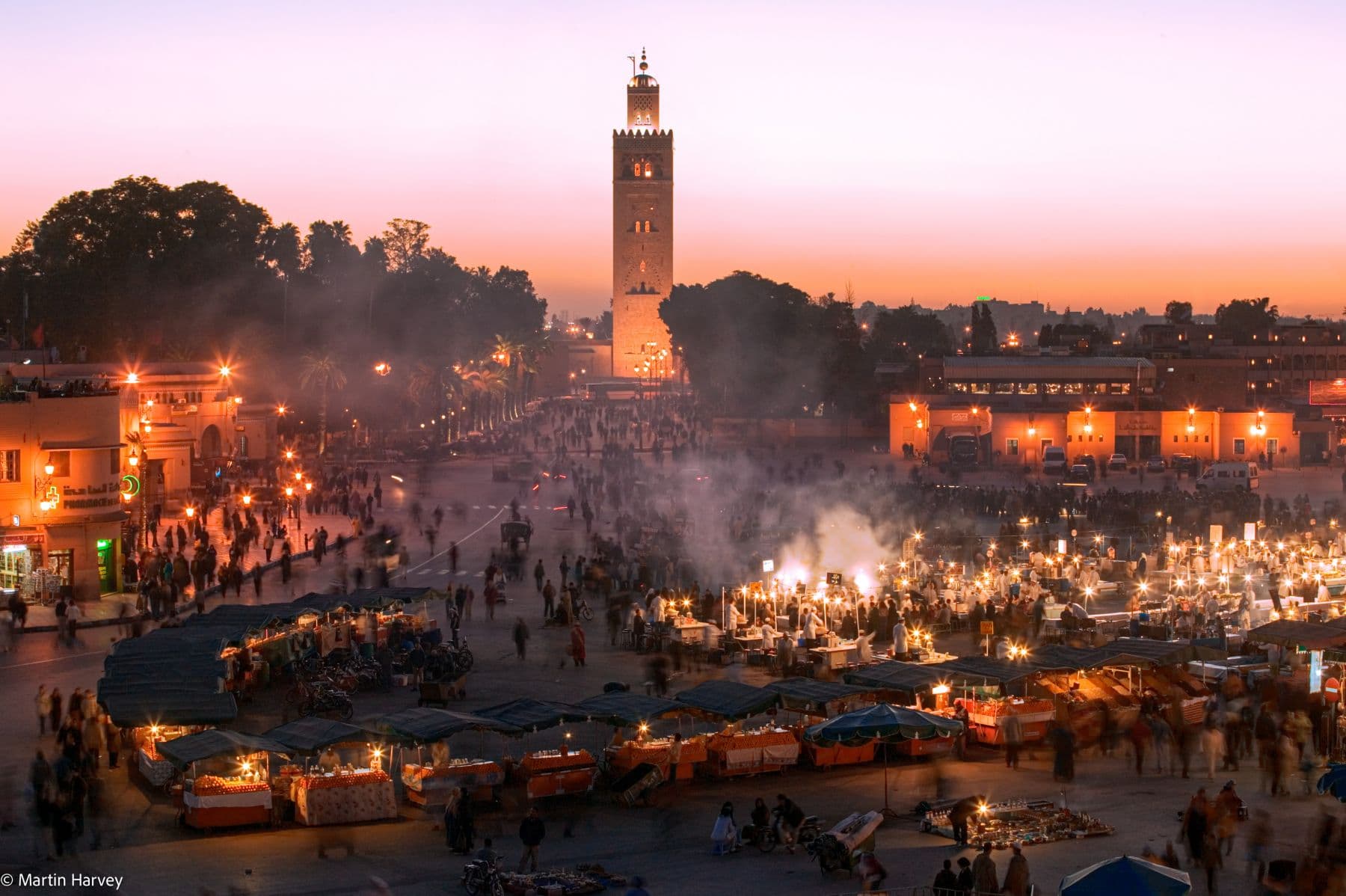
- Dusk into Night: At sunset, the transformation is complete. Rows of numbered food stalls light lanterns, fire open grills, and prepare grilled meats, brochettes, and soups. The square becomes an energetic open-air gathering place filled with music, conversation, and street performance.
Visiting with Confidence
Experiencing Jemaa el-Fna is most enjoyable when approached with clear expectations:
- Performers and Street Artists: Street performers are independent artists. If you stop to watch, listen, or record, it is customary to offer a modest contribution in appreciation.
- Posed Photographs: If you wish to take photos of street performers or animal handlers, clarify expectations beforehand to avoid misunderstandings. If an encounter feels uninvited, a calm smile, a polite shake of the head, and continuing to walk forward is entirely appropriate.
- Rooftop Perspectives: For an unhurried overview of the square’s evening energy, visiting an elevated terrace café along the perimeter allows you to observe the sunset over the Koutoubia minaret and watch the square come alive from above.
The Souks & Polite Bargaining
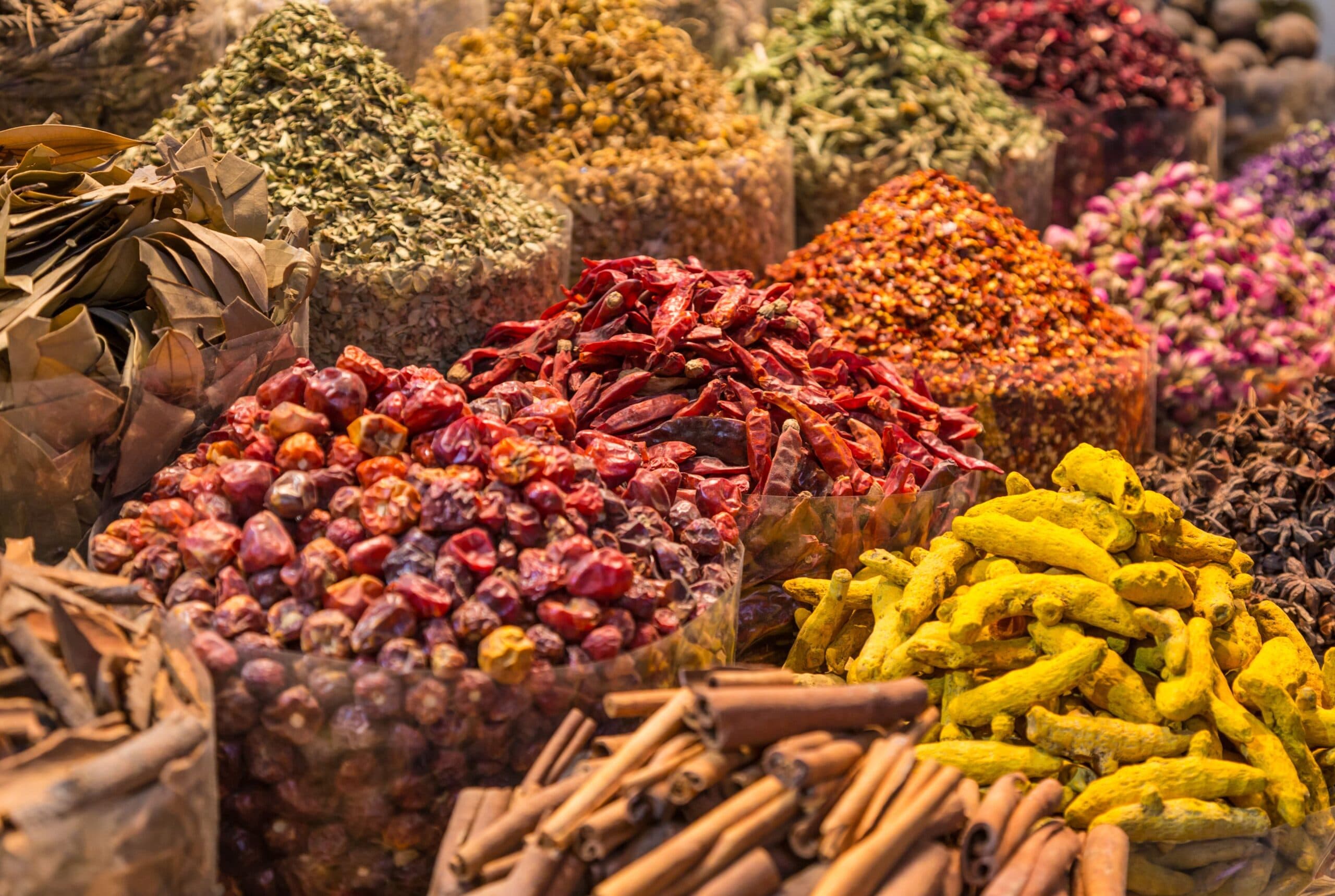
North of Jemaa el-Fna lies the network of souks, the traditional market quarters of Marrakech. Historically organized by trade and craft, the souks remain active centers where artisans work brass, dye wool, weave textiles, shape leather, and carve cedarwood.
Browsing and Observing
Before purchasing, spend time simply walking and observing. You will notice distinct quarters dedicated to specific goods: leather babouches, pierced metal lanterns, woven baskets, and aromatic spices. Exploring without immediate intent to buy allows you to compare quality, notice the difference between handmade artisan pieces and commercial souvenirs, and get a general sense of asking prices.
The Culture of Negotiation
In Moroccan market culture, bargaining is not an adversarial contest; it is a relaxed, polite social interaction. Shopkeepers often enjoy conversing with visitors, discussing where items were crafted, and occasionally sharing a glass of mint tea.
Keep the following principles in mind when shopping:
- Negotiate Only When Genuinely Interested: It is standard courtesy to begin price discussions only if you truly wish to purchase the item should an agreeable price be reached.
- Avoid Rigid Formulas: Common travel advice suggesting that buyers must always counter with a fixed percentage of the opening price is impractical. Some artisan workshops quote very close to fair value, while souvenir stalls along primary tourist corridors may open with wider margins. Base your offer on what the object is genuinely worth to you.
- Remain Pleasant and Unhurried: Keep discussions friendly. A relaxed demeanor makes the interaction pleasant for both parties.
- A Polite Departure: If the seller’s final price exceeds what you wish to spend, you can simply decline with a polite "Shukran" (Thank you) and walk away. There is never any obligation to purchase. If the price can be adjusted, the vendor will let you know; if not, you can continue exploring comfortably.
Getting Around Marrakech
While the Medina is explored on foot, reaching locations outside the walls, such as the Majorelle Garden, Gueliz, or the Menara Gardens, typically involves motorized transport.
Arrival from the Airport
Marrakech Menara Airport is located relatively close to the city center. If arranging a transfer, confirm the meeting point in advance and, for Medina accommodation, ask how the final luggage transfer from the nearest vehicle-accessible point will be handled.
Official airport taxis and public shuttle options are available outside the terminal. Because transport tariffs and local procedures can change over time, check current arrangements and posted official rates upon arrival.
Petit Taxis
Small yellow hatchbacks, known as petit taxis, are widely used for journeys between districts of Marrakech. Before departure, confirm how the fare will be handled, particularly when leaving busy tourist pickup points where flat rates are sometimes quoted instead of metered rates.
Horse-Drawn Carriages (<em>Calèches</em>)
Horse-drawn carriages are stationed between Jemaa el-Fna and the Koutoubia Mosque. They offer a leisurely, traditional way to tour the perimeter of the medina ramparts or visit nearby gardens. The route and total fare should be agreed upon clearly before boarding.
Cultural Etiquette, Photography & Religious Heritage
Morocco is a welcoming nation with deep cultural and religious traditions. Demonstrating simple courtesy ensures positive and respectful interactions throughout your stay.
Clothing Considerations
There is no universal dress code for visitors in Morocco. In contemporary hotel resorts, private pools, and modern neighborhoods like Gueliz, casual Western attire is common.
Within the historic Medina, traditional residential quarters, and rural villages, choosing comfortable, breathable, and reasonably modest clothing is widely appreciated as a mark of respect for community norms. Lightweight fabrics made of cotton or linen provide natural ventilation while fitting comfortably into traditional surroundings.
Mosques and Religious Heritage Sites
Understanding visitor access to religious architecture helps avoid confusion:
- Active Mosques: Active mosques in Marrakech are generally not open to non-Muslim tourist visits. Visitors are welcome to admire their minarets, carved exterior portals, and historic architecture from outside.
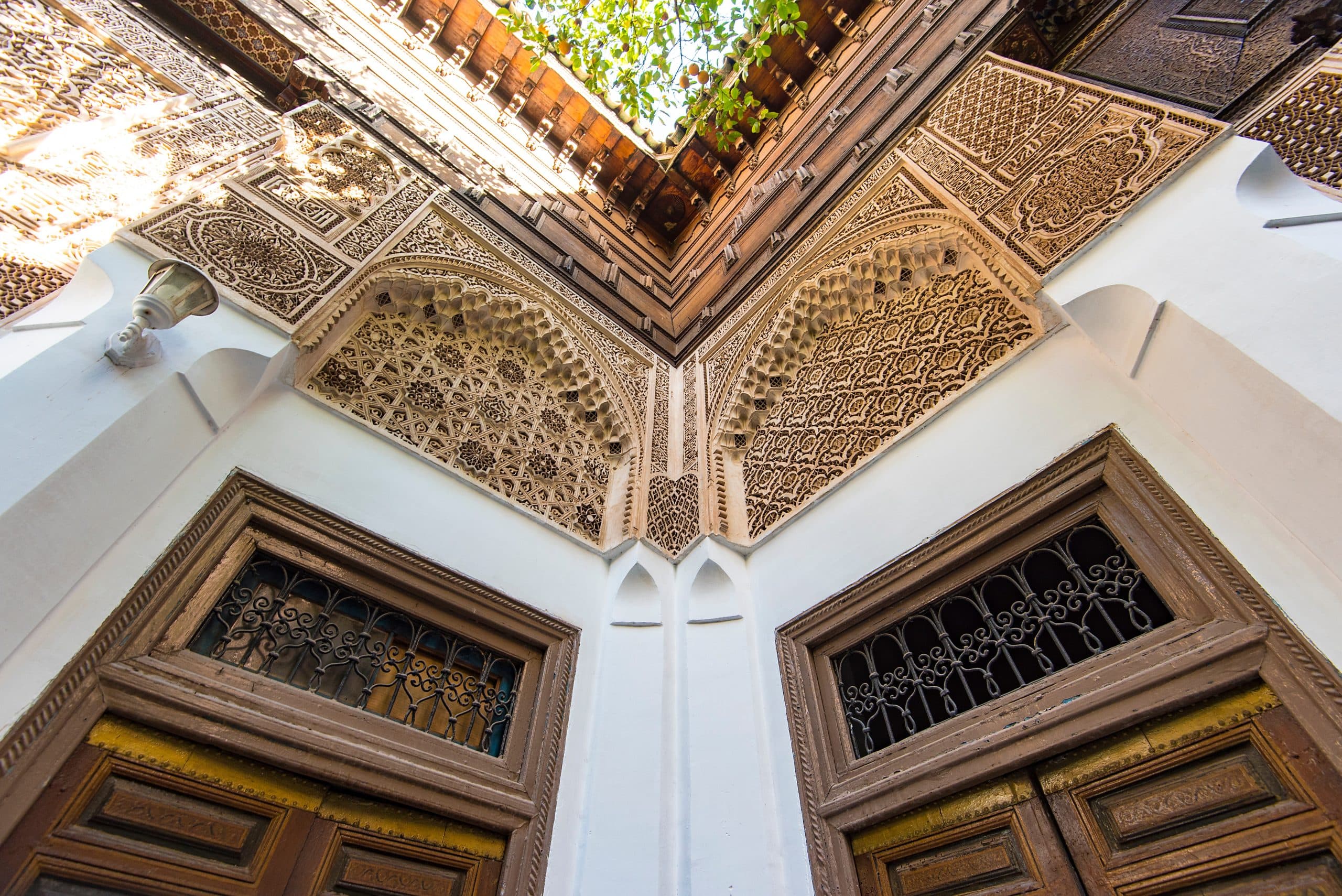
- Historical Heritage Monuments: Ben Youssef Madrasa operates as a heritage attraction and is distinct from an active mosque. Here, visitors can explore notable examples of historic Moroccan architecture, including carved stucco, cedarwood eaves, and geometric zellij tilework. Current access and visiting conditions should be checked before visiting.
Photography Etiquette
Respect for personal privacy is valued throughout Morocco:
- Ask Before Photographing Identifiable People: Always ask permission before taking photos of artisans, shopkeepers, or residents. A polite gesture and a smile are often understood. If someone declines, respect their choice immediately and graciously.
- Avoid Official Infrastructure: Never photograph military personnel, police officers, or official government installations.
Food & Dining in Marrakech
Moroccan cuisine is celebrated for its balance of sweet and savory flavors, fragrant spices, and slow cooking methods. Dining in Marrakech ranges from casual street stalls to refined dining rooms.
Signature Dishes to Try
- Tanjia MarrakchiaThe culinary hallmark of Marrakech. Cuts of beef or lamb seasoned with cumin, garlic, saffron, and preserved lemon are sealed inside an earthenware amphora (tanjia) and slow-cooked in the embers of the furnaces that heat neighborhood communal hammams.
- TaginesSlow-simmered stews prepared inside a conical clay vessel. Popular preparations include chicken with cured lemon and olives, tender beef or lamb with spiced prunes, and fragrant seasonal vegetable combinations.
- PastillaA delicate pastry layering thin pastry sheets with spiced poultry, ground almonds, cinnamon, and sugar, balancing savory and sweet elements.
- HariraA nourishing soup of tomatoes, lentils, chickpeas, and fresh herbs, often enjoyed alongside dates and traditional pastries.
Dining Out and Drinking Water
Marrakech offers diverse culinary settings, from traditional riad dining rooms to the open-air food stalls of Jemaa el-Fna. When choosing street food, look for stalls that are actively frequented by local diners, where dishes are prepared fresh over open heat.
Travelers who prefer bottled water should choose sealed bottles, and staying well hydrated is particularly important during hot weather.
Pacing Your Day: Weather & Daily Rhythm
Marrakech enjoys substantial sunshine throughout the year, though conditions change noticeably between seasons. For a comprehensive overview of nationwide climate patterns, refer to our .
In Marrakech itself, the most practical consideration is structuring your daily schedule around the climate:
Cool & Focused
The hours between breakfast and late morning offer comfortable temperatures and softer light. This is the most practical time for open-air walking, visiting popular cultural monuments, and exploring the souks before foot traffic peaks.
Rest & Retreat
During the middle of the day, especially from late spring through early autumn when temperatures can be demanding, slowing your pace is sensible. Enjoy a relaxed lunch in a shaded courtyard, explore an indoor museum, or rest at your accommodation.
The Resurgence
As the sun drops, Marrakech cools down and public life revives. Rooftops fill for sunset drinks, the souks become lively with evening shoppers, and Jemaa el-Fna transitions into its nocturnal rhythm.
Structuring your days around these broad periods helps ensure that you experience the city's energy without fatigue.
How Long to Stay: A Decision Framework
Because Marrakech offers both dense historic quarters and easy access to the surrounding countryside, the length of your stay depends on your broader travel plans.
A Short City Break (2 to 3 Days)
A two- to three-day visit allows you to experience the primary highlights: touring major historic monuments, browsing the artisan souks, visiting the Majorelle Garden, and spending an evening in Jemaa el-Fna. It provides a focused, energetic introduction to the city.
A Balanced Stay (4 to 5 Days)
Four to five days allows a slower, more varied first visit. This timeframe provides room to explore the Medina at an unhurried pace, dedicate an afternoon to Gueliz, experience a traditional hammam, and include a full-day excursion to the Atlas foothills or the Atlantic coast.
Marrakech as a Regional Base (6+ Days)
With six or more days, Marrakech becomes an effective base for broader exploration. Travelers can incorporate multiple day trips into nearby valleys, spend a night in the desert, or use the city as the starting point for longer journeys across southern Morocco.
Handling Common Tourist Pressures Calmly
Most visits to Marrakech are straightforward and welcoming, although busy tourist areas can involve persistent selling or unsolicited offers of assistance.
Understanding common interactions helps travelers respond with calm confidence:
Unsolicited Directions and Guiding
If you appear uncertain at an alley junction, passersby may offer to point the way toward main squares or attractions. While some advice is simply neighborly, in some cases individuals may expect a gratuity or suggest visiting a nearby shop or workshop.
How to Respond: If you do not need assistance, offer a pleasant smile, say "La, shukran" (No, thank you), and continue walking purposefully. If you genuinely require directions, ask an established shopkeeper inside their store or consult your accommodation staff.
The Courteous Refusal: "La, Shukran"
This simple Arabic phrase, meaning "No, thank you", is a polite, widely recognized way to decline an offer. Spoken calmly with a gentle nod, it communicates that you have heard the offer and have respectfully declined.
Establishing Terms in Advance
Whenever engaging an informal service, such as hiring a horse carriage, agreeing on an unmetered taxi ride, or having a photograph taken, clarify the terms beforehand. Confirming details in advance prevents misunderstandings and preserves goodwill.
First-Time Practical Takeaways: Mistakes Worth Avoiding
To keep your first trip smooth, keep these practical points in mind:
Attempting too many major sights in a single day can lead to fatigue. Focus on a manageable number of activities and leave time for relaxed wandering.
Remember that many medina riads are situated in pedestrian-only lanes; confirm drop-off and luggage arrangements before you arrive.
Trying to power through unshaded streets during the hottest hours of the day can be draining. Pacing your day with a midday pause is far more rewarding.
Negotiation in the souks is intended to be a pleasant social conversation. If an agreement cannot be reached, simply smile, say thank you, and continue on your way.
While cards are widely accepted at hotels, modern restaurants, and established boutiques, carrying some Moroccan dirhams is practical because card acceptance can vary, particularly for smaller purchases and informal transactions.
Always ask for verbal permission before photographing individuals, honoring their response with courtesy.
Beyond the Medina: Marrakech Experiences & Day Trips
While the historic core offers days of discovery, Marrakech also serves as the gateway to diverse cultural activities and surrounding landscapes.
Immersive City Experiences
- Explore Moroccan gastronomy with a , learning traditional preparation methods for tagines, fresh salads, and Moroccan breads.
- For an expansive view of the surrounding landscape, a provides an early morning perspective over the plains outside the city, with views stretching toward the High Atlas range.
Day Trips into Mountains and Coastlines
- Located south of the city, an offers a change of scenery, taking travelers into the foothills of the Atlas Mountains along river valleys and traditional Amazigh villages.
- The Atlantic port of Essaouira: For coastal air and ocean ramparts, an provides an easy day trip to the Atlantic coast, featuring historic sea walls and a working fishing harbor.
Multi-Day Journeys
For travelers using Marrakech as part of an extended itinerary, routes like the four-day offer an organized exploration of the city. Travelers looking to continue toward the dunes can connect to desert itineraries such as or choose broader nationwide circuits such as .
Frequently Asked Questions
blog.article2.faq.q1.q
blog.article2.faq.q1.a
blog.article2.faq.q2.q
blog.article2.faq.q2.a
blog.article2.faq.q3.q
blog.article2.faq.q3.a
blog.article2.faq.q4.q
blog.article2.faq.q4.a
blog.article2.faq.q5.q
blog.article2.faq.q5.a
Continue Exploring Morocco
Marrakech is often the starting point for broader travel throughout the country. Whether planning a short stay or an extended journey, our curated travel resources provide practical inspiration:
- Explore our regional overview in the .
- Review our complete collection of itineraries via .
- Browse day trips and excursions with .