
The Best Time to Visit Morocco: A Season-by-Season Guide
Understand how regional geography, elevation, and seasonal shifts shape the ideal travel window for your journey across Morocco.
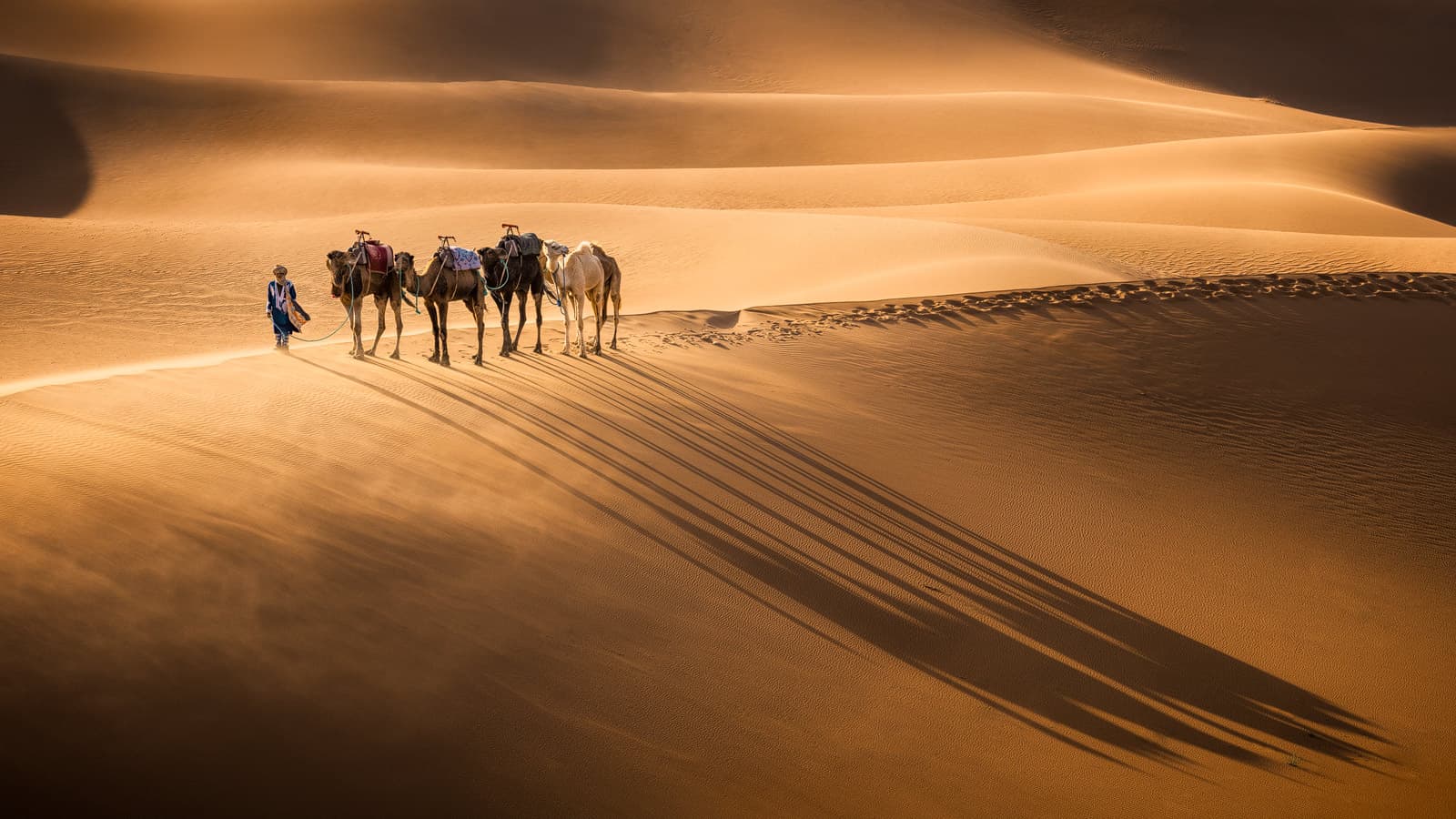
When planning a journey to Morocco, travelers frequently ask for a single, definitive recommendation: what is the best month to visit?
The reality is more nuanced. Within a single day, you can travel from mild Atlantic breezes, across snow-crested High Atlas passes, and down into arid Saharan valleys. Because regional geography and elevation vary so dramatically, the best travel window depends on the destinations you wish to explore, the pace you prefer, and your comfort with heat or cold.
Understanding Morocco’s Different Climates
To decide when to travel, it helps to look at the country as a collection of distinct regional environments rather than a single weather forecast:
- The Atlantic Coast
Coastal destinations such as , Casablanca, and Taghazout benefit from the moderating influence of ocean breezes. Summers here tend to stay considerably more temperate than inland plains, while winters are generally mild, with occasional ocean fog and seasonal rain.
- Northern Morocco & The Rif Mountains
Including Tangier and , the northern region experiences a Mediterranean climate. Winters and early springs typically bring the country’s highest rainfall, resulting in lush green hillsides, followed by warm, generally pleasant summers.
- The Inland Imperial Plains
Cities such as and sit away from the sea. They follow a continental rhythm characterized by mild to warm spring days, intense dry heat throughout midsummer, crisp autumns, and cool winter nights.
- The Atlas Mountain Ranges
The High, Middle, and Anti-Atlas form the physical spine of the country. High elevations bring alpine conditions. Higher peaks can receive significant snowfall during winter, particularly between December and March, while summer often offers a welcome escape from lowland heat.
- Pre-Saharan & Saharan Regions
Stretching through and south toward and the desert dunes, the climate is arid. Here, the defining feature is diurnal contrast: daytime warmth often radiates away rapidly after sunset, creating sharp differences between midday and late evening.
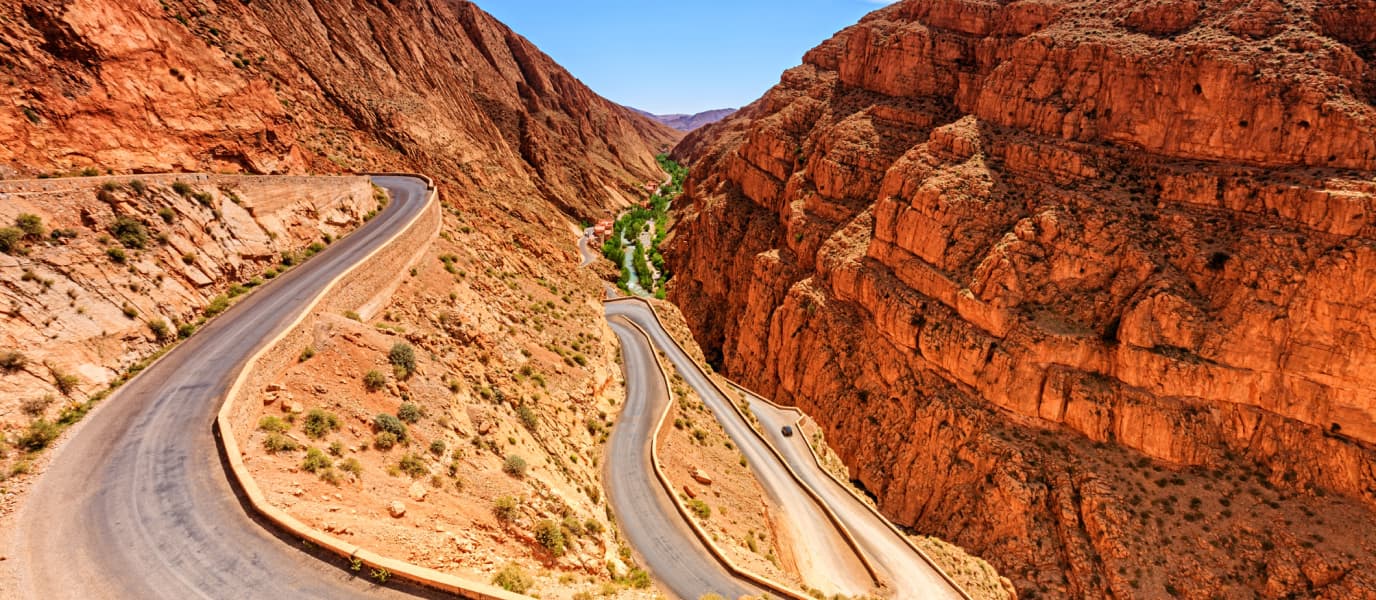
Because these regional environments behave so differently throughout the year, conditions that feel demanding in one area may be genuinely pleasant in another.
Spring in Morocco: March to May
Spring is widely regarded as one of the most versatile periods for traveling across Morocco. During these months, winter rains recede, river valleys run full, and agricultural plains turn bright green.
Inland cities such as Marrakech and Fes typically enjoy mild to pleasantly warm daytime conditions, making extensive walking through the historic medinas comfortable. In the southern valleys, fruit orchards and rose fields come into bloom, while desert temperatures are generally warm without reaching midsummer intensity.
Higher mountain passes gradually clear of winter snow as the season advances, opening up foothill trails. Along the coast, days are generally bright, though spring breezes can be brisk along open beaches.
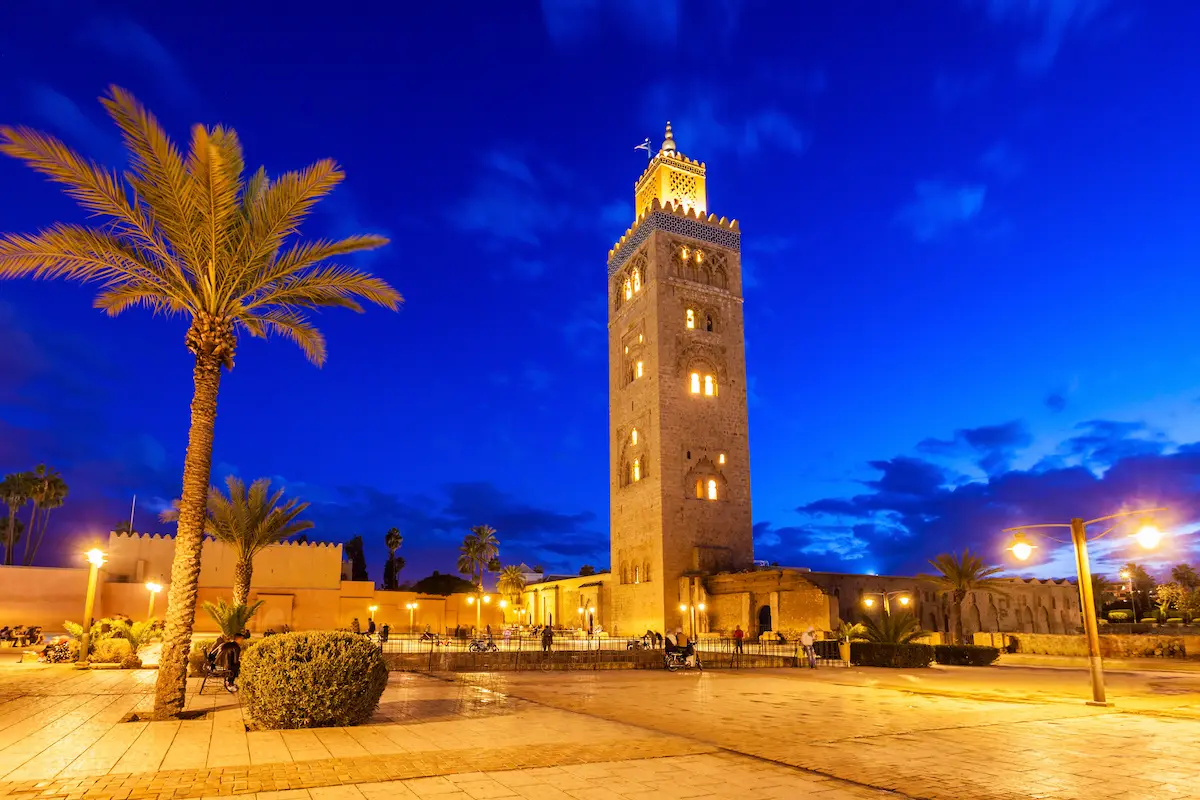
Who Spring Suits Particularly Well
Spring is well suited to travelers planning a comprehensive journey combining imperial architecture, desert travel, and mountain scenery, with moderate conditions across multiple regions.
Practical Considerations & Trade-offs
Because spring offers balanced travel conditions nationwide, it is one of Morocco’s most popular travel windows. Historic sites and boutique riads experience steady demand, particularly around the Easter holiday weeks. In the south and pre-Saharan regions, occasional dry, dusty winds can affect southern and pre-Saharan areas during spring.
Summer in Morocco: June to August
Summer in Morocco presents stark geographic contrasts. While the interior plains and desert reach their highest temperatures of the year, the Atlantic coastline and high mountain valleys offer much milder alternatives.
Inland imperial destinations, including Marrakech and Fes, experience intense dry heat peaking in the late afternoon. Life naturally adapts to the sun: streets quiet during the heat of the day, coming alive after dusk when squares, rooftop terraces, and courtyards fill with local families. Further south, the Sahara experiences demanding midday heat, requiring early-morning activity and careful hydration.
By contrast, the Atlantic coast remains an inviting refuge. In Essaouira and nearby coastal villages, persistent trade winds keep temperatures moderate throughout midsummer. In the High Atlas, higher elevations provide cooler air and comfortable hiking conditions for travelers wishing to escape lowland heat.
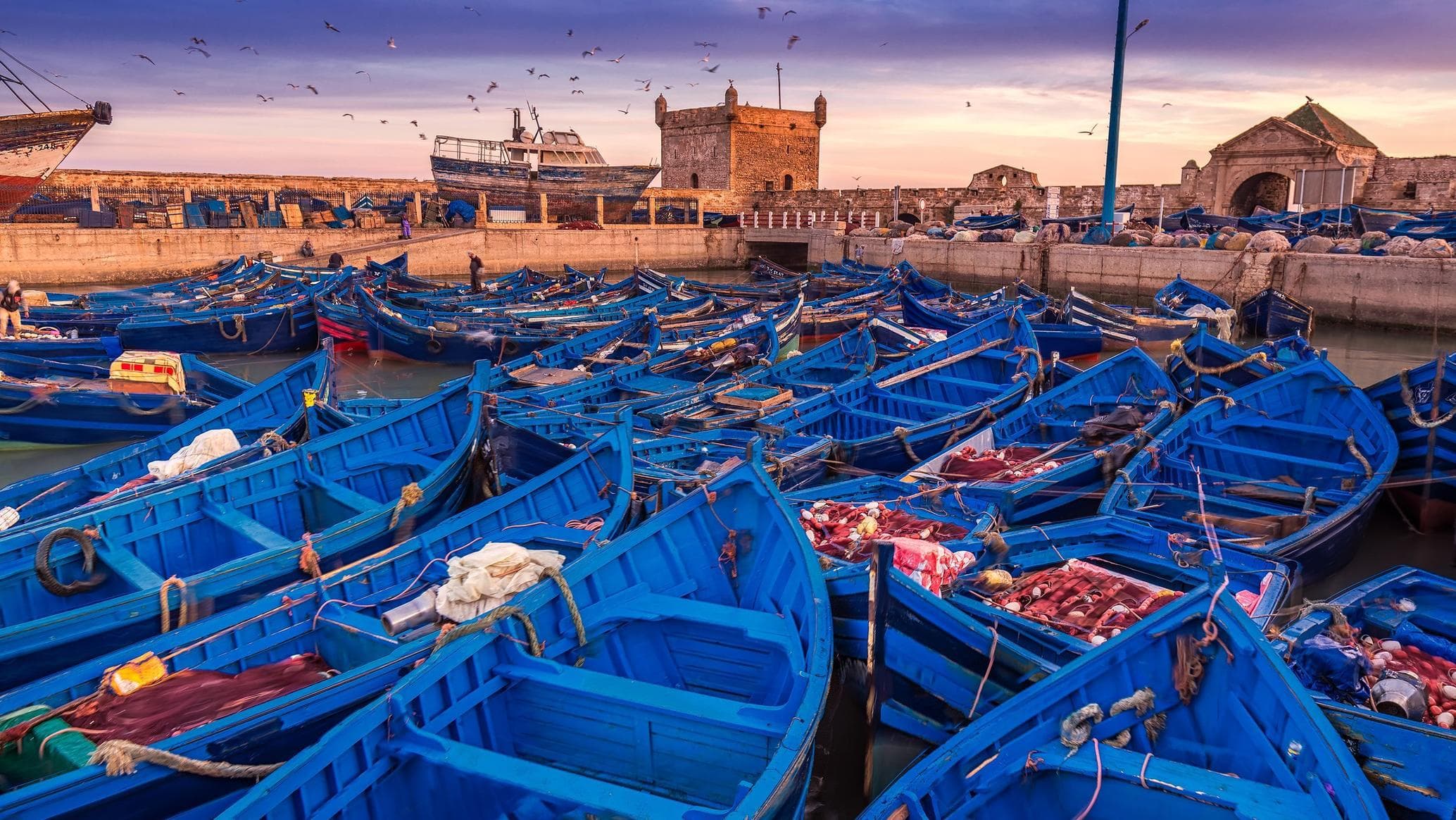
Planning Guidance for Summer Travel
Travelers visiting between June and August often have the most rewarding experience by focusing on the Atlantic coastline, Atlas mountain valleys, and northern cities, complemented by slow-paced early-morning city exploration rather than intensive desert road circuits.
Autumn in Morocco: September to November
Autumn brings another balanced, highly versatile travel window as summer heat recedes across the country.
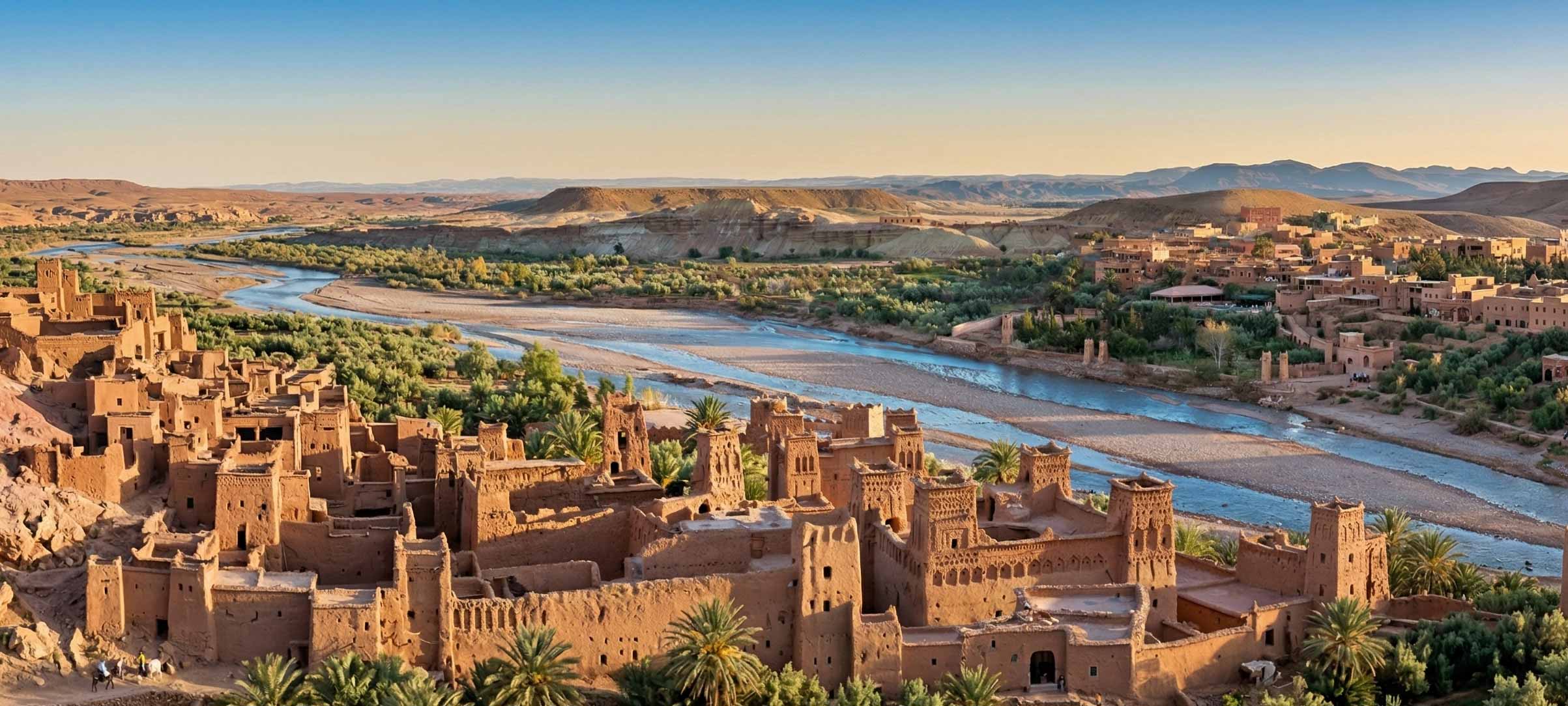
September often retains lingering warmth in southern valleys, but by October, inland cities return to comfortable daytime conditions and fresh evening air. In the desert around Merzouga and Zagora, autumn marks the return of more comfortable conditions for desert travel, with manageable daylight hours and pleasant nights.
The season coincides with agricultural harvests, including date harvests in southern oases, olive pressing across northern foothills, and saffron gathering in the Anti-Atlas. Along the Atlantic coast, summer winds soften, while High Atlas trails generally remain clear and crisp through October before cooler late-autumn weather arrives.
Who Autumn Suits Particularly Well
Autumn is ideal for travelers who appreciate golden afternoon light, active desert expeditions, and comfortable walking temperatures across the imperial cities. For those hoping to experience a comprehensive circuit such as the route, October and early November offer a remarkably gentle travel climate.
Practical Considerations & Trade-offs
Late autumn begins the transition toward winter. By November, daylight hours shorten and northern destinations such as Tangier, Chefchaouen, and Fes see an increased likelihood of seasonal rain. Packing a warm evening layer is essential.
Winter in Morocco: December to February
Winter in Morocco often surprises first-time visitors who imagine a uniformly hot climate. While southern valleys enjoy clear, sunny days, winter brings genuine regional variation.
In Marrakech and southern valley gateways such as Ouarzazate, winter days are frequently sunny and mild for outdoor sightseeing and courtyard dining. However, temperatures drop sharply once the sun sets. In the Sahara, winter brings deep blue skies and comfortable daytime dune walking, though open desert nights can approach freezing.
Northern Morocco and the Rif mountains experience their coolest and dampest period, keeping the countryside green, while snow-dusted High Atlas peaks provide a dramatic backdrop visible from Marrakech terraces.
Accommodation Comfort in Winter
Traditional Moroccan riad architecture was engineered to keep interiors cool during scorching summers, meaning masonry walls and open courtyards can feel cold on winter evenings. When traveling between December and February, confirming heating arrangements with your accommodations or travel organizer is wise.
When to Visit Morocco by Travel Style
Imperial Cities & Cultural Sightseeing
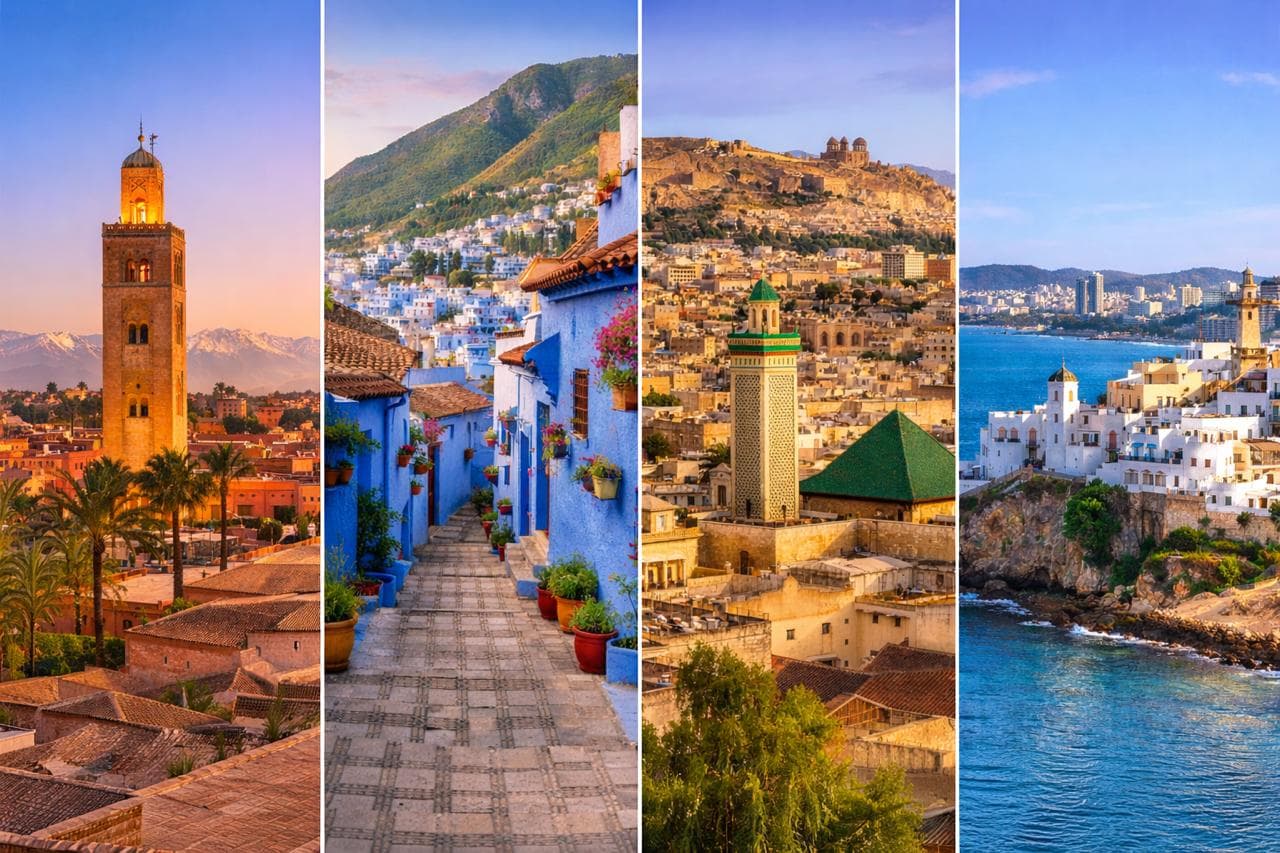
Best window: Spring (March to May) and Autumn (October to November). Mild daytime temperatures make walking through the historic medinas, palaces, and souks of Marrakech, Fes, Meknes, and Rabat comfortable. Winter also offers quiet alleys and bright sunshine, provided you carry an evening layer. Midsummer sightseeing requires rising early to explore before midday heat builds.
Sahara Desert Journeys
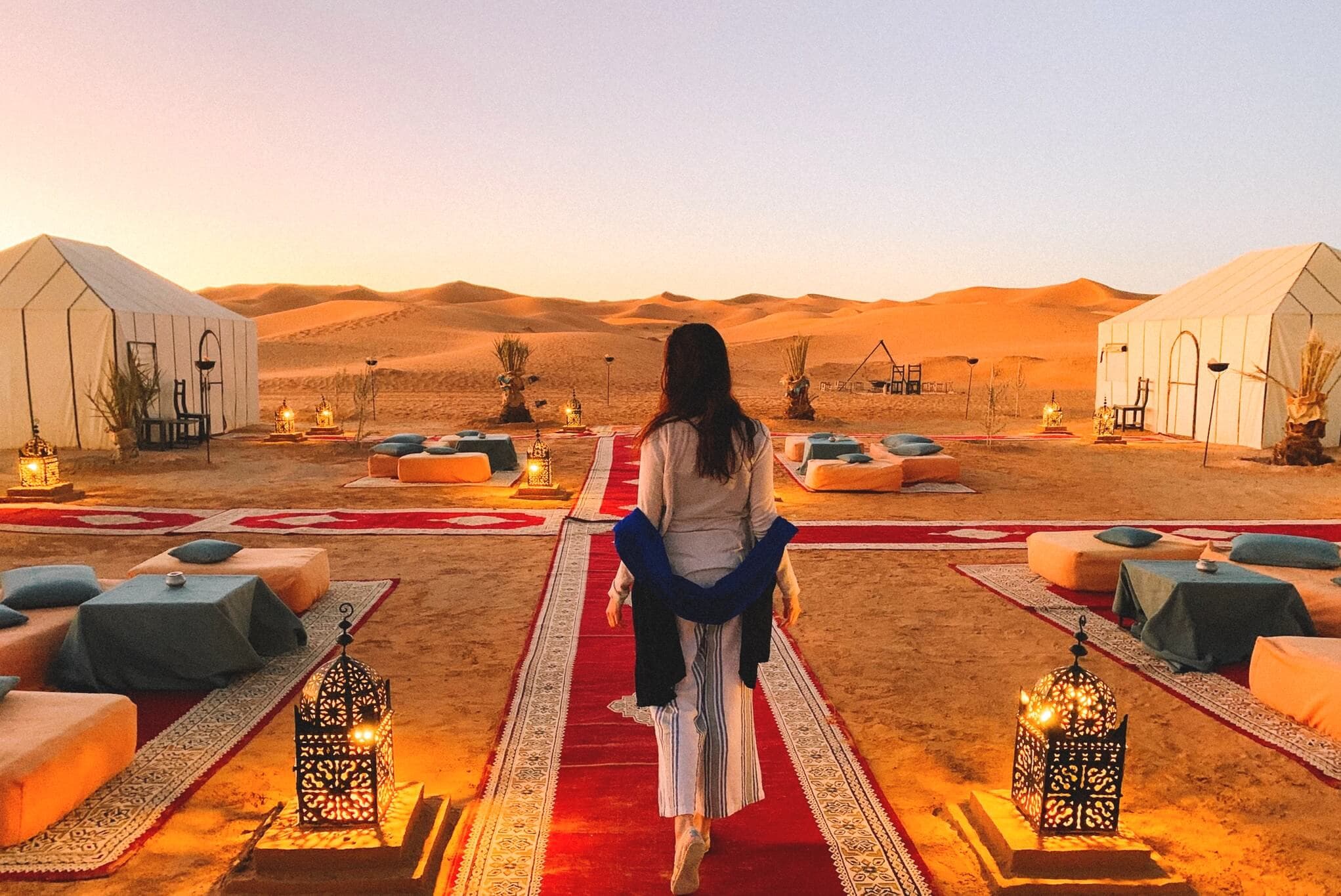
Best window: October through April. Autumn, winter, and early spring provide manageable daytime temperatures for camel trekking and dune exploration. Routes such as are considerably more comfortable during these months. Keep in mind that midwinter desert nights (December and January) can approach freezing, while midsummer brings intense heat that limits outdoor activity.
Atlantic Coast & Essaouira
Best window: June through September for coastal escapes; year-round for relaxed stays. Persistent maritime trade winds keep destinations like pleasantly temperate even when interior plains experience peak summer heat. Spring and autumn are delightful for unhurried harbor and medina walks with lighter coastal winds.
Atlas Mountains & Valleys
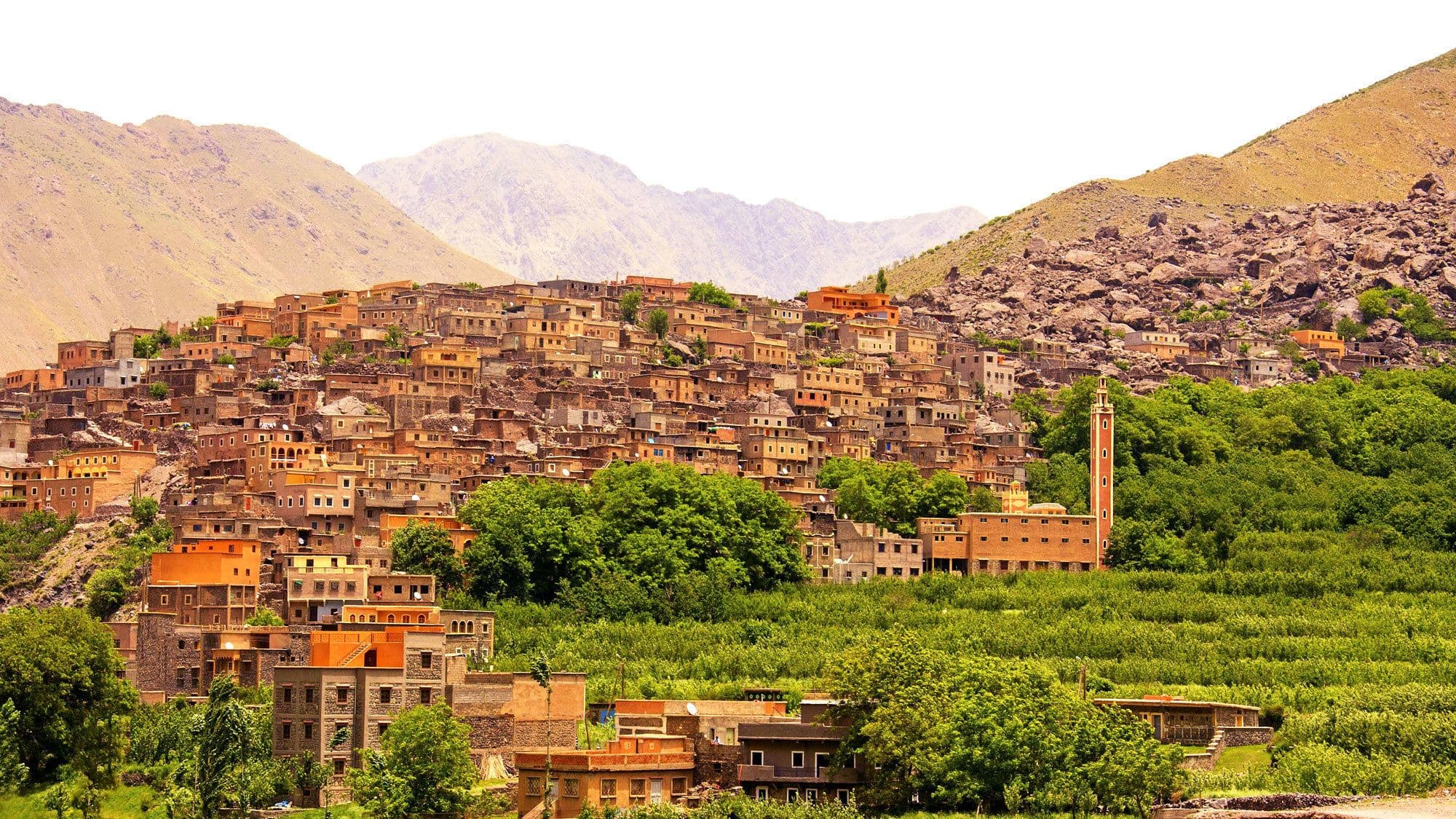
Best window: June to September for high peaks; April–May and October for foothill walks. High-elevation trekking in the Toubkal massif benefits from clear trails and cool mountain air in summer. For gentle valley walks through areas like the Ourika Valley, spring brings blooming orchards and flowing streams, while autumn provides crisp air and golden foliage.
Multi-City Morocco Tours
Best window: Spring (March to May) and Autumn (September to November). Ambitious circuits connecting coast, mountains, imperial cities, and southern dunes, such as the comprehensive journey, rely on moderate weather across diverse topographies. Spring and autumn minimize extremes, avoiding demanding summer desert heat while offering reliable daylight and comfortable mountain crossings.
Month-by-Month Quick Guide
A concise overview of typical conditions, suited activities, and practical planning notes across the year.
January
Character:Crisp, sunny days in the south; cold nights. Snow on high Atlas peaks.
Best suited for:Southern kasbahs, sunny Marrakech afternoons, and clear-sky desert views.
February
Character:Almond blossoms appear in southern valleys; lengthening daylight.
Best suited for:Exploring southern routes and historic medinas with fewer visitors.
March
Character:Early spring greening; generally mild, comfortable daytime temperatures.
Best suited for:Imperial city walking tours and early-season desert journeys.
April
Character:Widespread spring conditions, blooming valleys, and pleasant daytime air.
Best suited for:Multi-region circuits, botanical gardens, and scenic road journeys.
May
Character:Warm sunshine across most regions; rose harvests in southern valleys.
Best suited for:Pre-summer desert trips, Atlas foothill walks, and coastal visits.
June
Character:Rising inland heat paired with refreshing maritime breezes along the coast.
Best suited for:Essaouira and coastal escapes, Atlantic watersports, and high mountain trekking.
July
Character:Intense dry heat across inland plains and the desert; mild along the coast.
Best suited for:Atlantic coastal stays, high Atlas mountain trails, and evening medina life.
August
Character:Peak summer temperatures inland; persistent coastal trade winds.
Best suited for:Coastal retreats, ocean breezes, and high-elevation mountain escapes.
September
Character:Summer heat begins to ease; warm ocean waters; quieter atmosphere.
Best suited for:Late-summer coastal itineraries and transitional city explorations.
October
Character:Balanced, mild temperatures across most regions; golden autumn light.
Best suited for:Sahara camping, imperial city walking, and date-harvest season in parts of southern Morocco.
November
Character:Crisp autumn air, comfortable daytime walking, and cooler evenings.
Best suited for:Desert stargazing, cultural heritage routes, and photography.
December
Character:Bright, mild sunshine in the south; snow on high mountain passes.
Best suited for:Marrakech winter sunshine, desert dune exploration, and quiet medinas.
Traveling in Morocco During Ramadan
Travelers often wonder whether it is advisable to visit Morocco during the Islamic holy month of Ramadan.
Travel remains entirely feasible throughout Ramadan, although opening hours, restaurant availability, and the daily rhythm of some services can shift depending on location.
Because Ramadan follows the Islamic lunar calendar, its dates advance approximately ten to eleven days earlier each solar year. Travelers should verify the exact dates for their specific travel year when planning.
During daytime fasting hours, some commercial and residential neighborhoods can feel quieter, with activity often increasing considerably after dusk. Some locally oriented shops and cafés may adjust their opening hours during fasting hours, depending on the city and neighborhood.
Around sunset, activity may briefly slow as many families gather for iftar, commonly referred to in Morocco as ftour. This meal traditionally begins with dates, harira soup, and sweets. Shortly thereafter, towns and medinas often reawaken with notable energy: streets illuminate, cafés fill, and public squares remain lively late into the evening.
Experiencing Ramadan offers thoughtful travelers an authentic perspective on Moroccan faith and community life. While visitors are not expected to fast, showing basic cultural consideration, such as being discreet with daytime eating, drinking, or smoking in busy public streets, is appreciated.
What to Pack by Season
Dressing comfortably in Morocco is largely a matter of adaptable layers, sun protection, and mindful cultural awareness:
Spring
Versatile layers are key. Bring light, breathable daytime clothing accompanied by a light jacket or knit sweater for cooler mornings and breezy coastal afternoons.
Summer
Loose-fitting, breathable natural fabrics are ideal for warm weather. Modest, breathable clothing is a practical and respectful choice, particularly when visiting religious or traditional settings. A wide-brimmed sun hat, high-protection sunscreen, and sunglasses are particularly helpful. For coastal towns or mountain valleys, include a light evening layer.
Autumn
Light daytime clothing works well through October, paired with a medium-weight fleece or jacket for evenings. If traveling into November or visiting northern regions, include a compact travel umbrella or light rain shell.
Winter
Pack for warm days and cold nights. A warm winter coat or packable down jacket, a warm scarf, and cozy sleepwear are well worth bringing for chilly evenings in traditional riads or desert camps. In northern cities, water-resistant footwear and rain layers are recommended.
Planning Your Journey Through Morocco
Understanding the seasons makes it far easier to choose the right route. Whether you are drawn to the coastal breeze of the Atlantic, the historic courtyards of the imperial cities, or the silence of the southern dunes, explore our destinations and curated itineraries: